 nurtomi
A CLOSER LOOK
Plant care guides.
Helpful starting points for the changes you notice.
Common plant problems
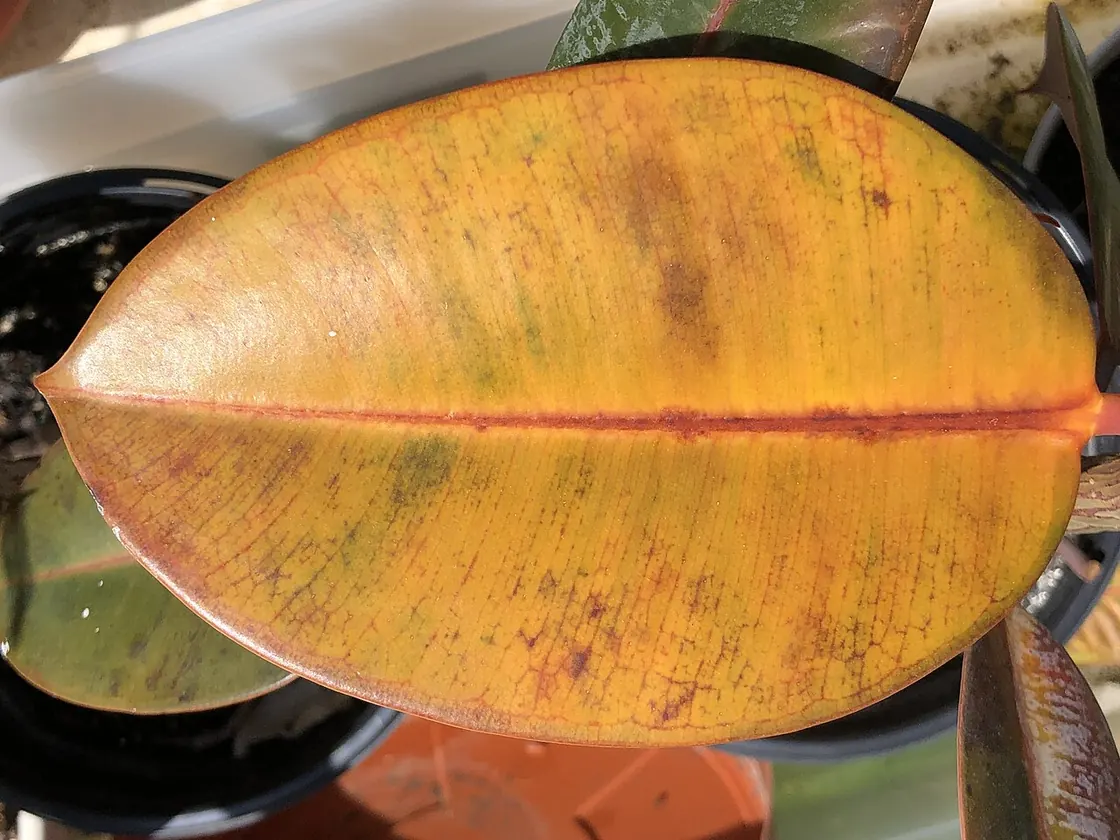
Why are leaves turning yellow?
Yellowing is a symptom with several possible causes.
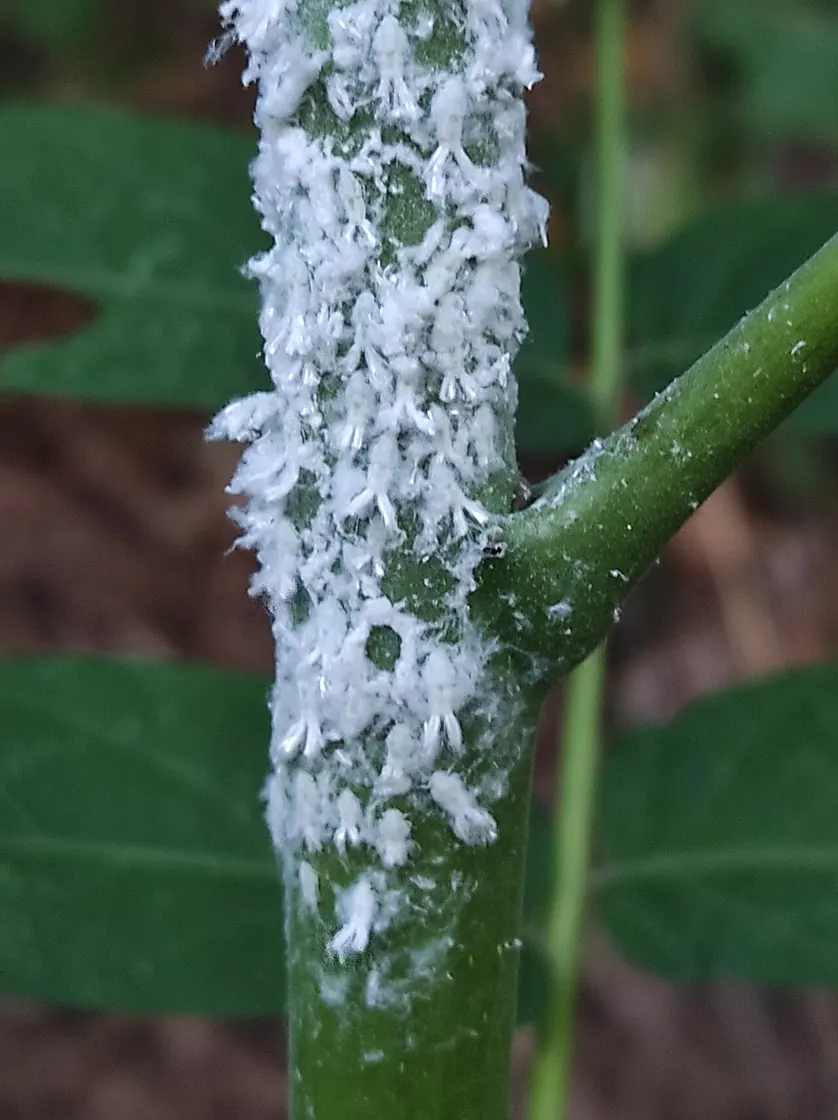
Mealybugs
White cotton-like clusters may hide in leaf joints.
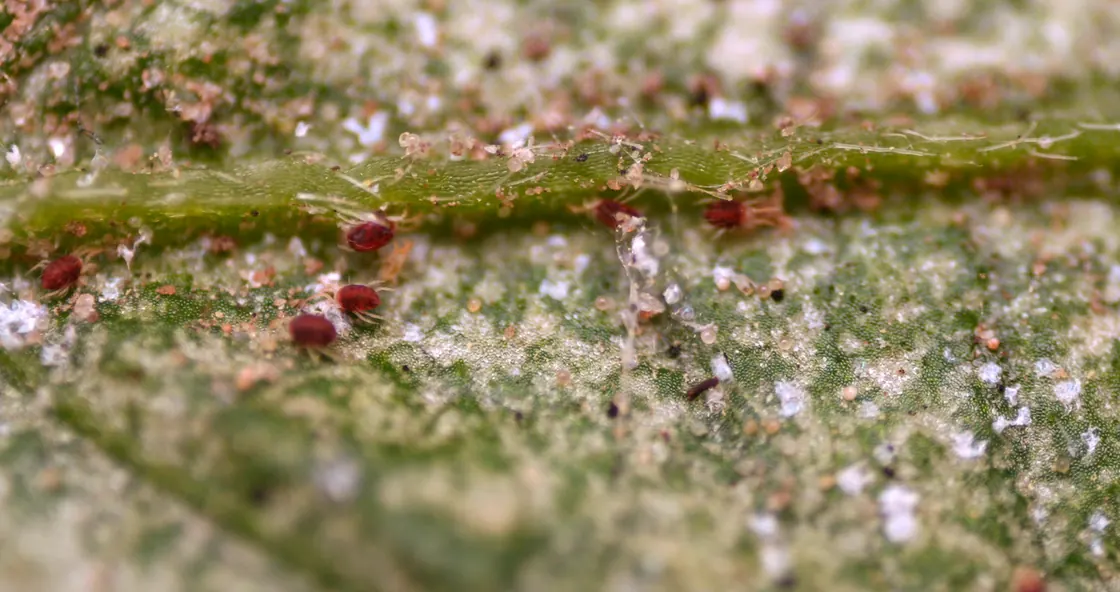
Spider mites
Fine speckling and webbing can point to tiny mites.
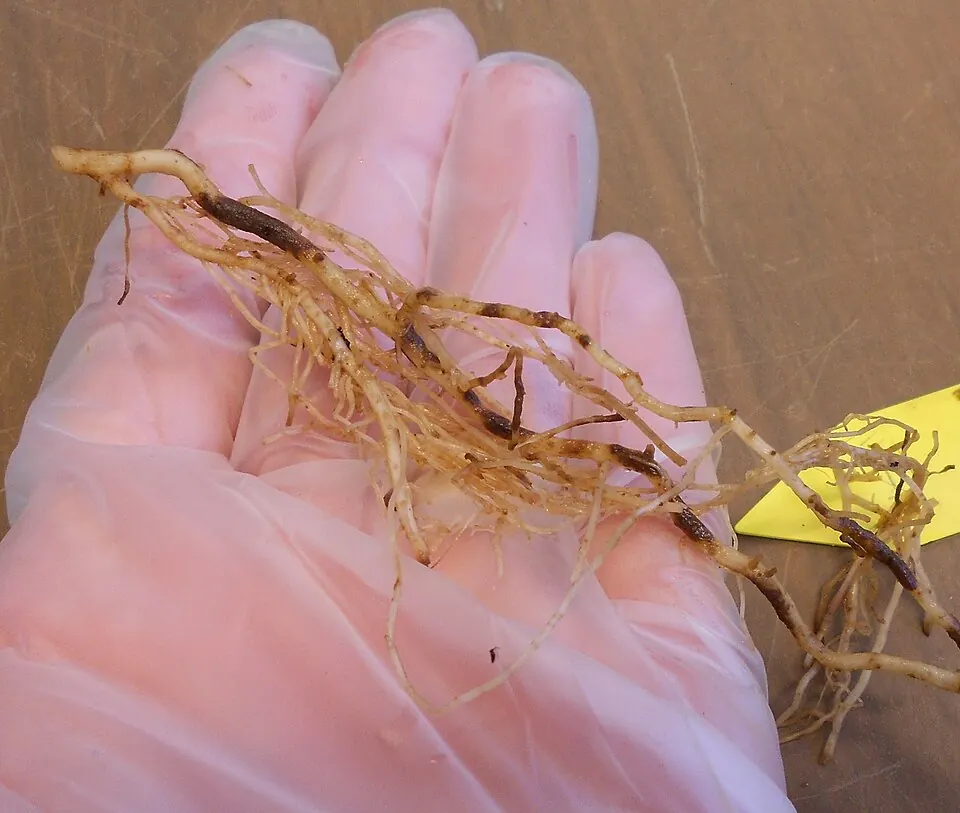
Could it be root rot?
Wet soil and soft roots are useful clues, not a diagnosis by themselves.
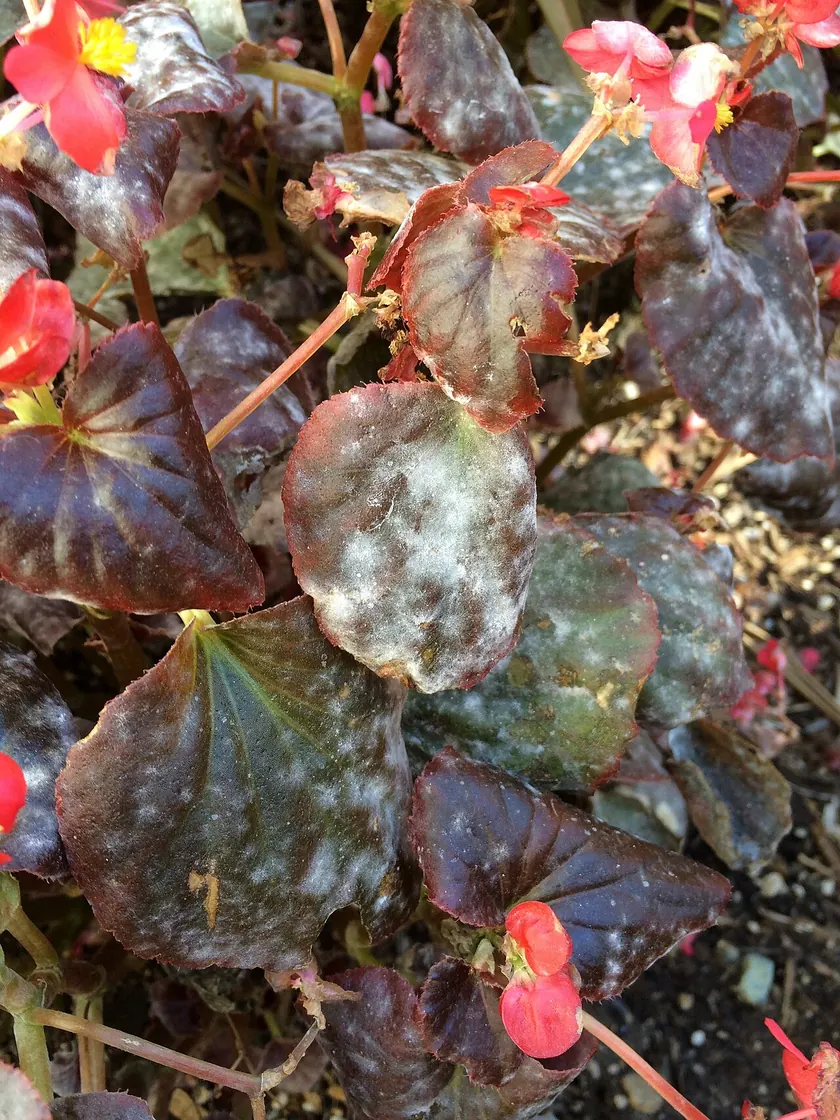
Powdery mildew
A white powdery coating may be a fungal growth.
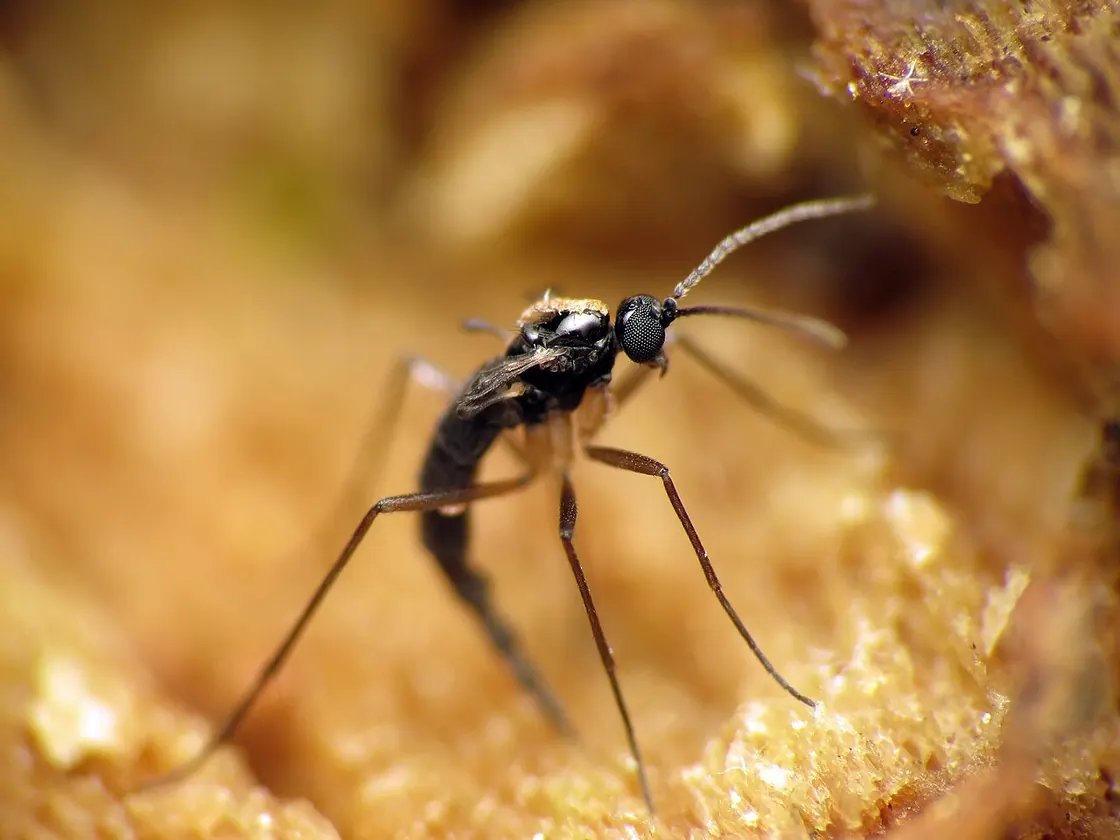
Fungus gnats in potting mix
Small dark flies around pots often favor damp mix.
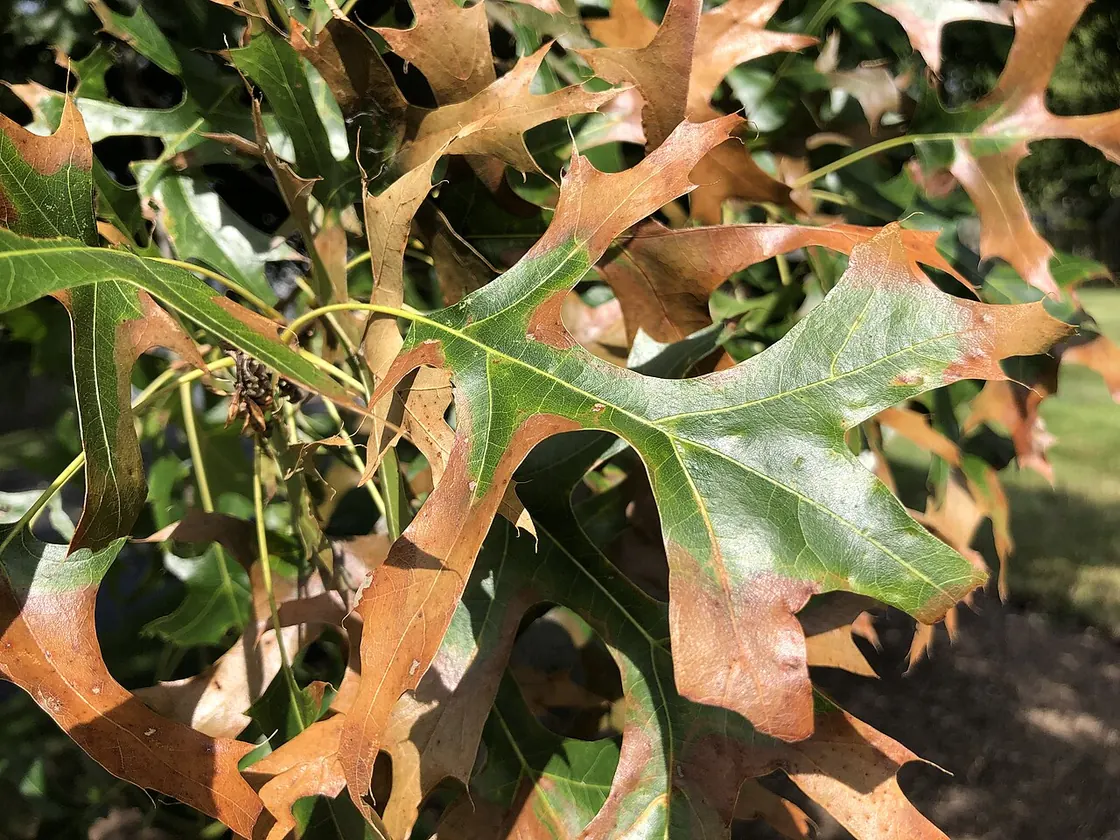
Brown tips and edges
Dry brown edges can come from more than dry air.
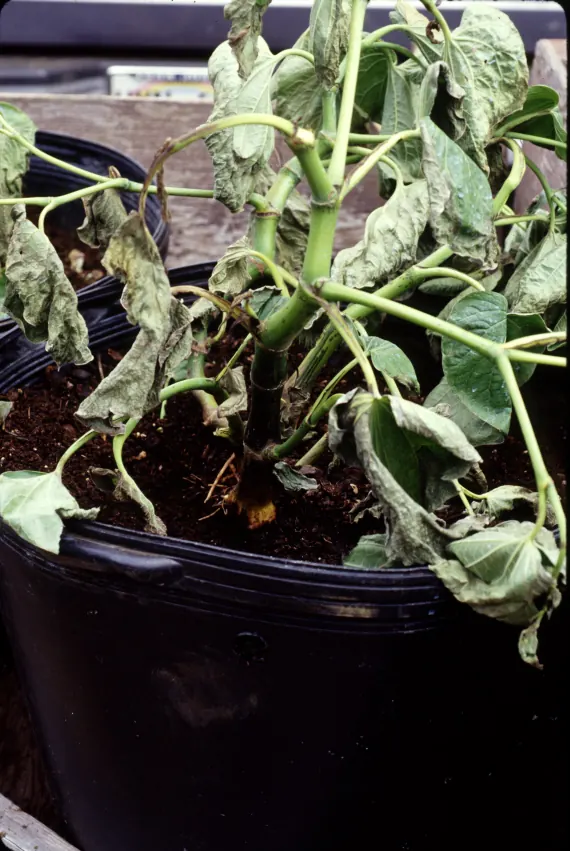
A wilting plant
Drooping can happen in both dry and wet soil.
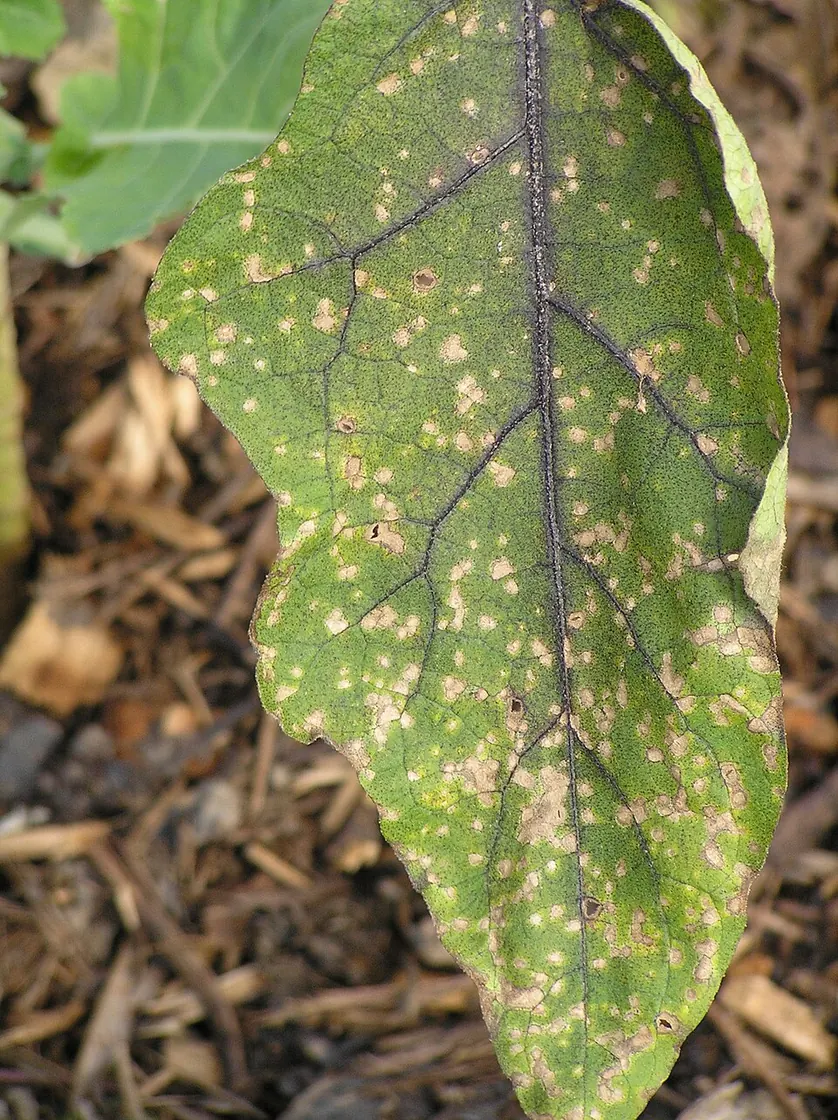
Brown or dark leaf spots
Spots can reflect damage, infection or environmental stress.
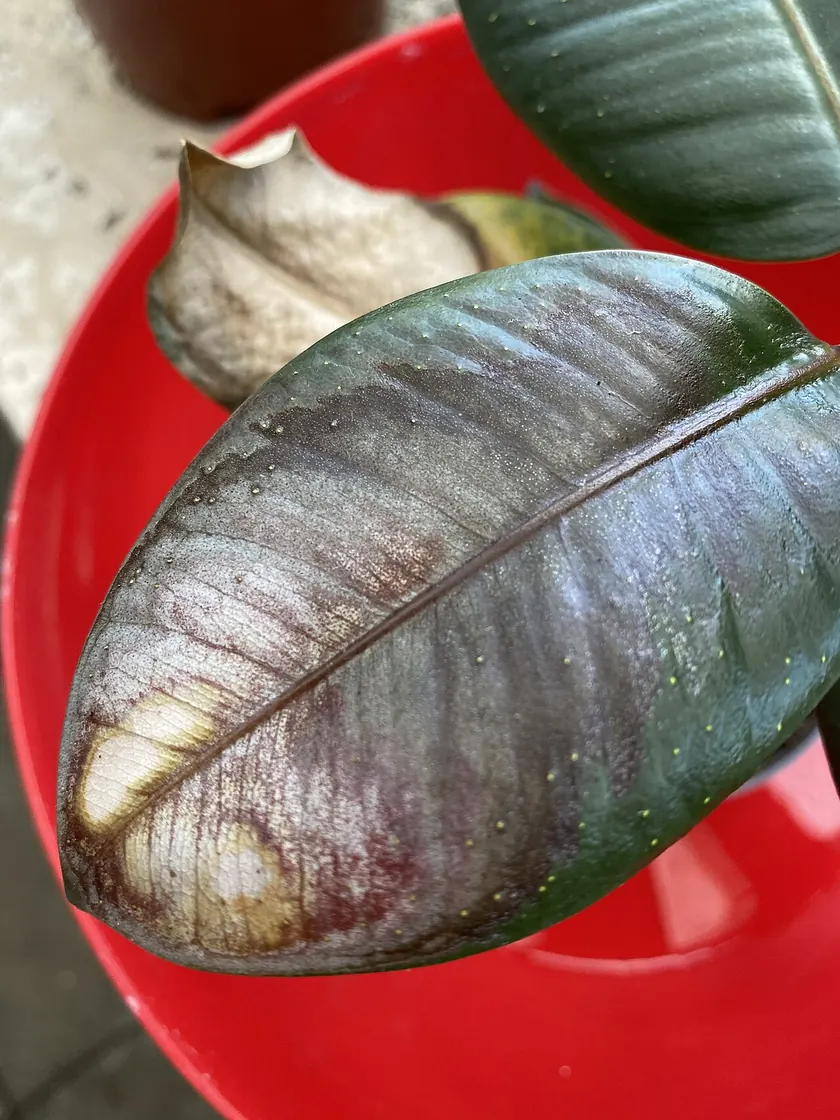
Pale or scorched patches
Sudden strong sun can damage leaves that are not acclimated.
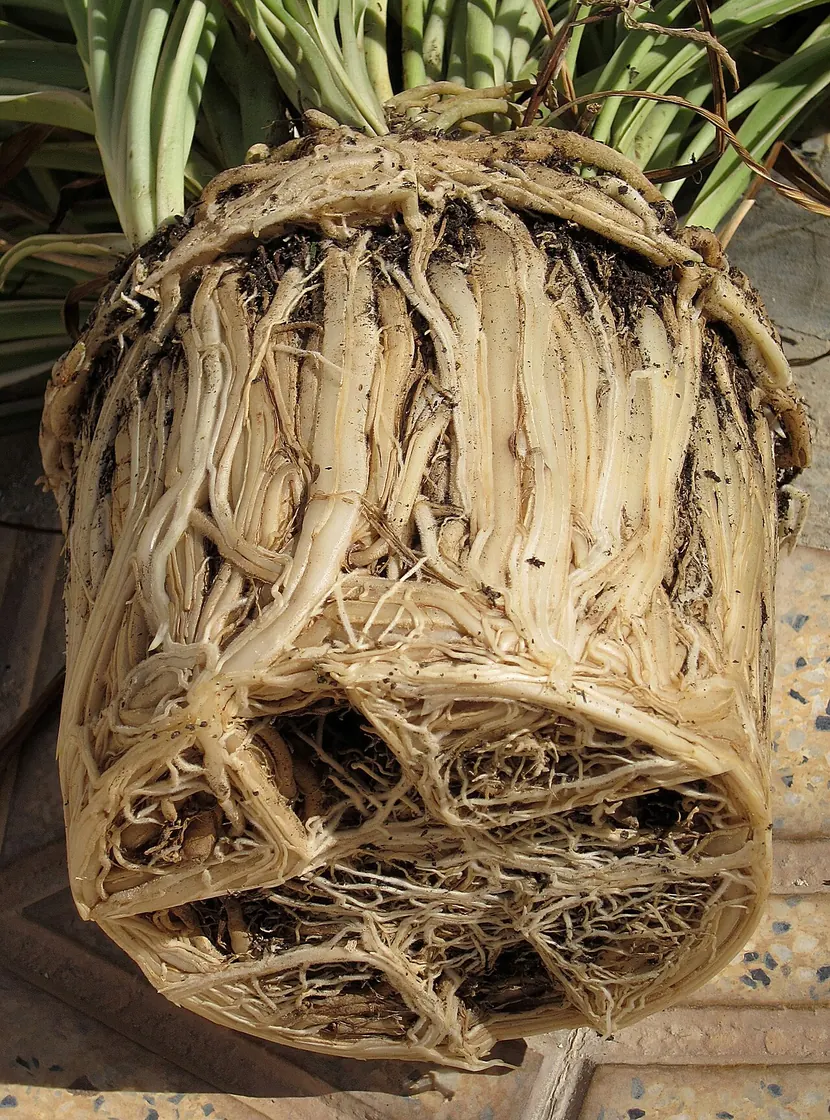
When roots fill the pot
Crowded roots can change how a pot holds water.
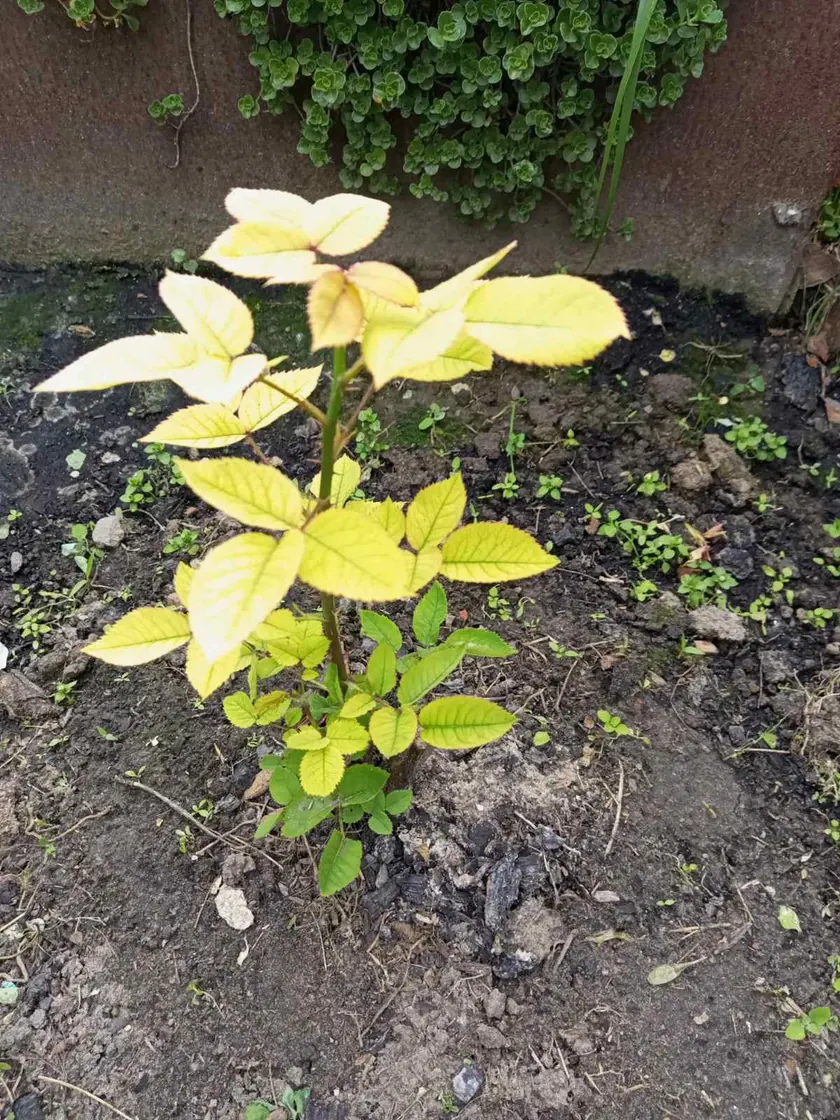
Yellow leaves with green veins
A yellow-and-green pattern has several possible explanations.
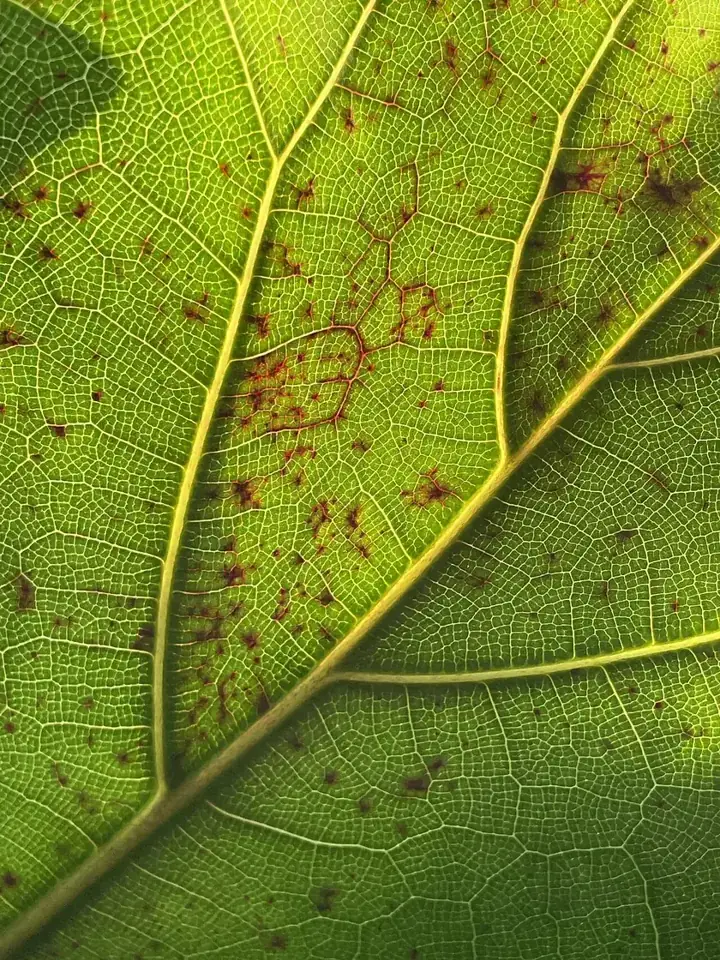
Raised bumps or blisters
Edema is a physical response to a water imbalance.
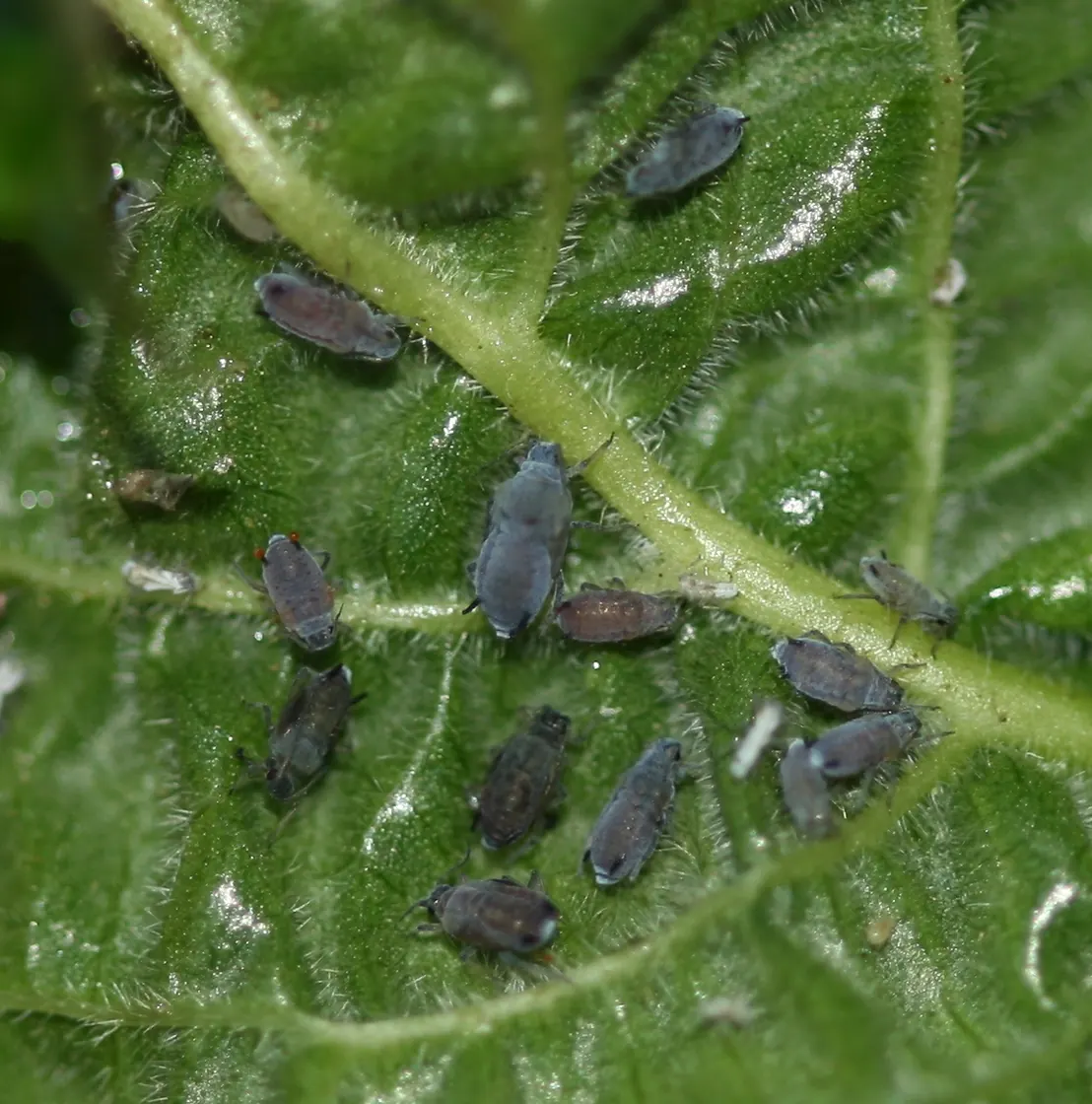
Leaves curling or twisting
Curled foliage can result from pests or growing conditions.
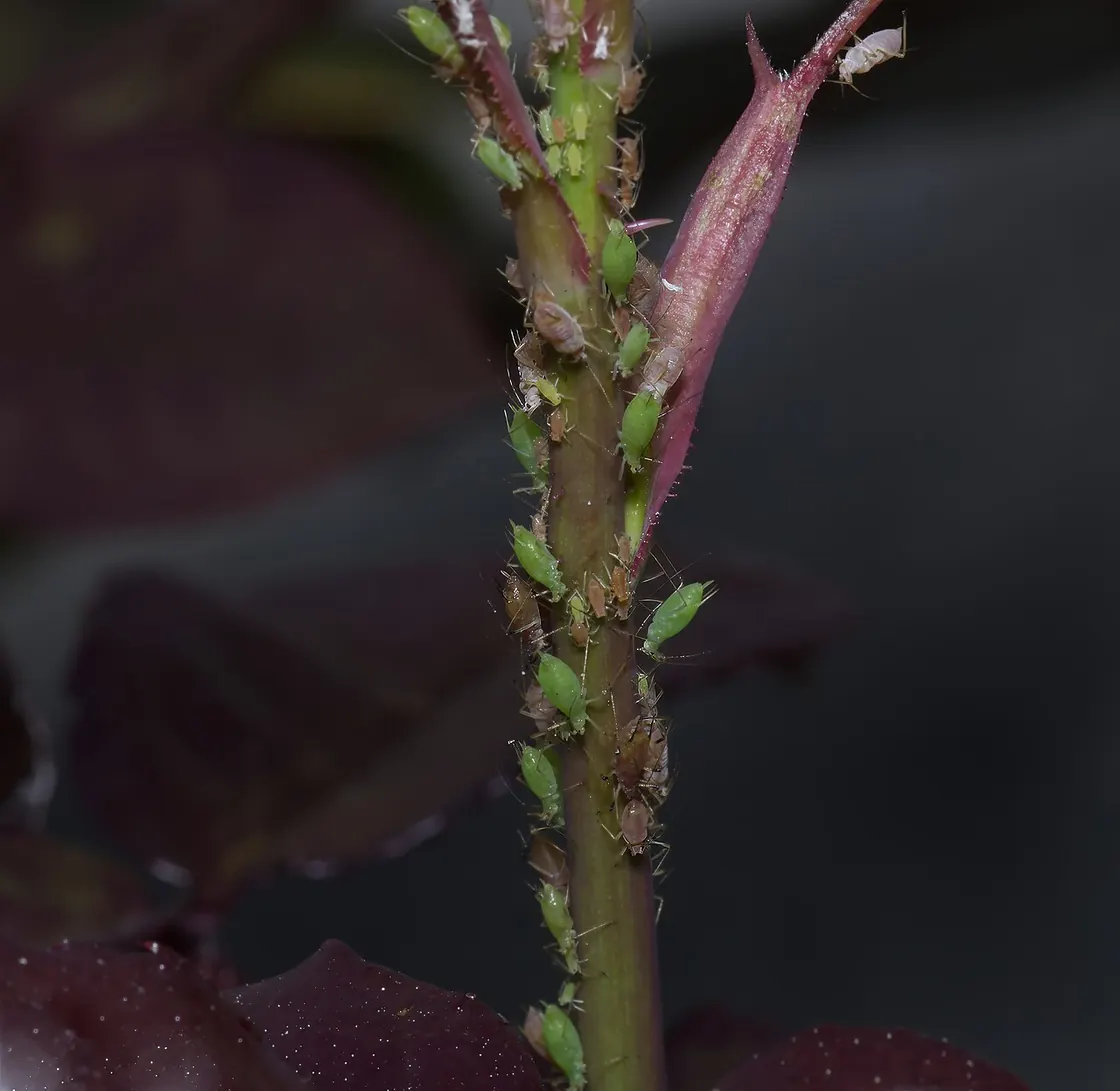
Aphids
Soft-bodied insects often gather on tender growth.
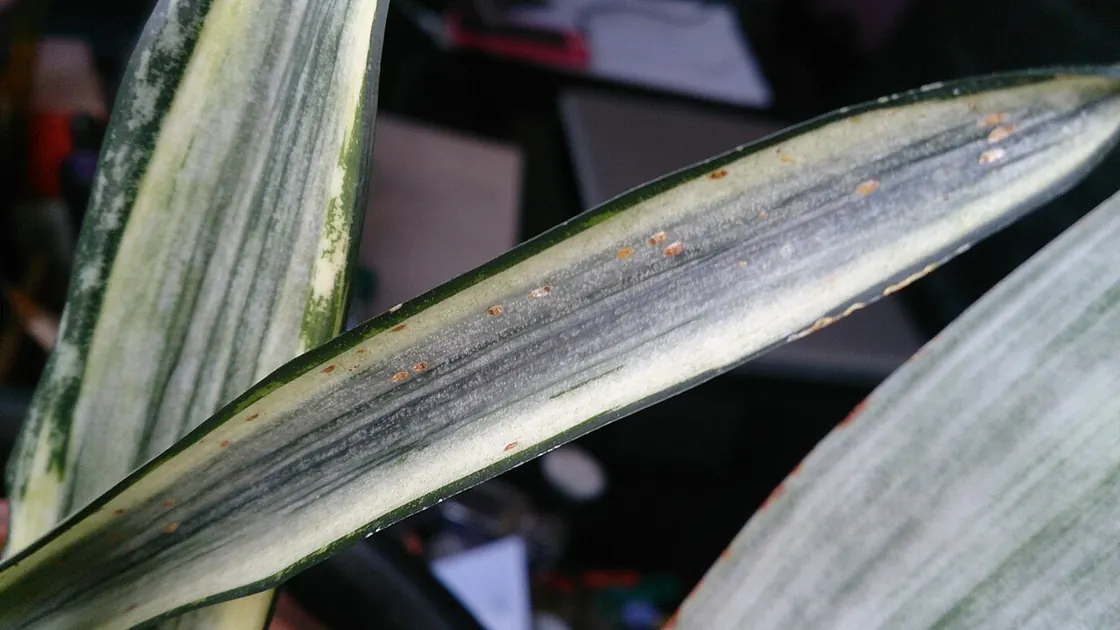
Scale insects
Small fixed bumps on stems or leaves can be scale.
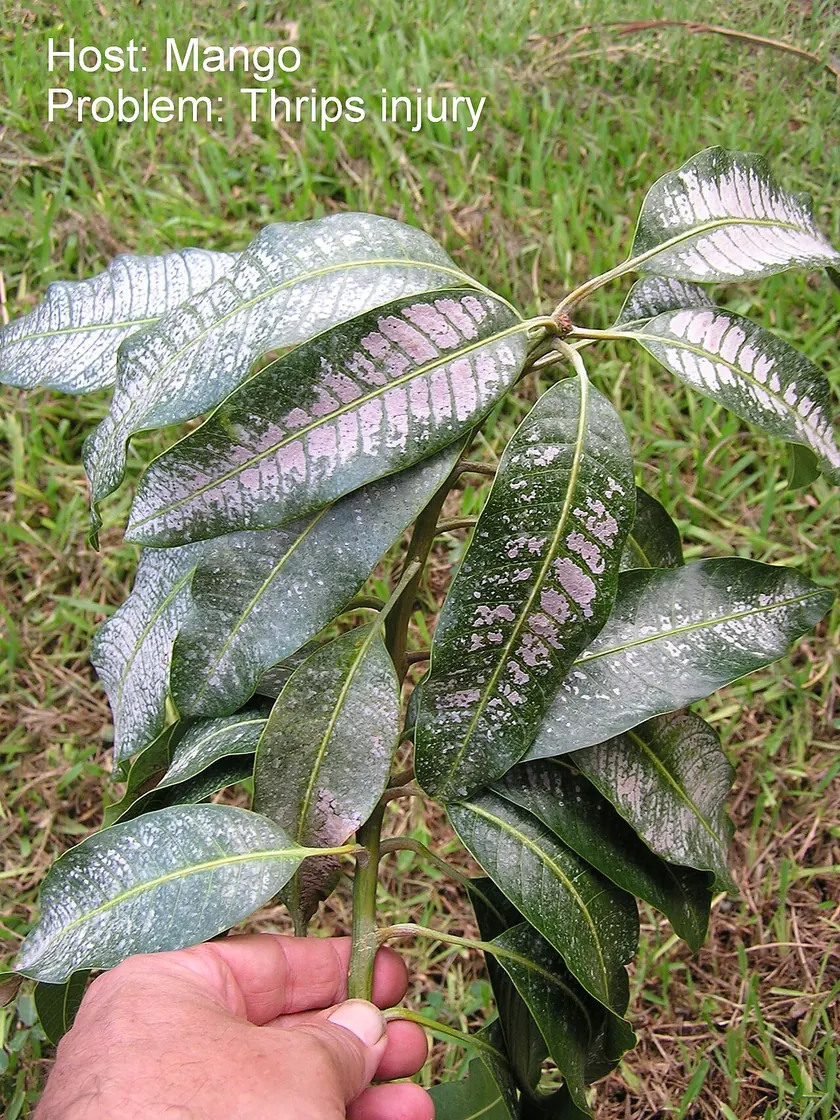
Thrips
Silvery streaks and tiny dark specks can be clues.
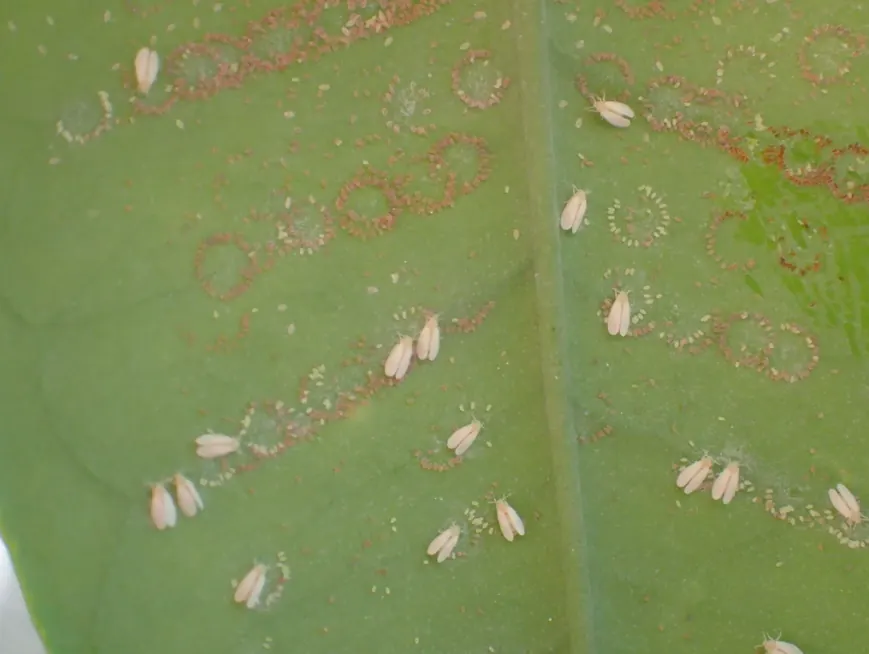
Whiteflies
Tiny white insects may flutter up when foliage is disturbed.
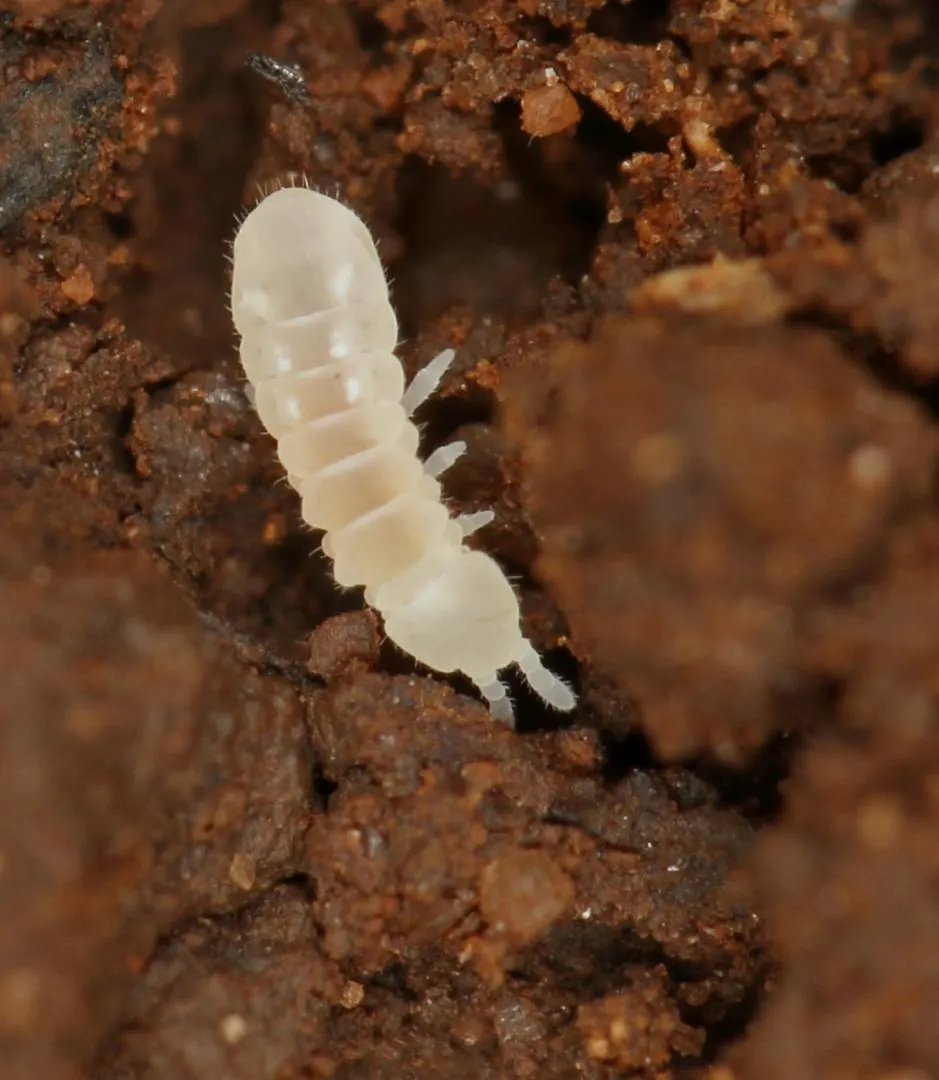
Tiny jumping insects in soil
Springtails usually feed on decaying material, not healthy plants.
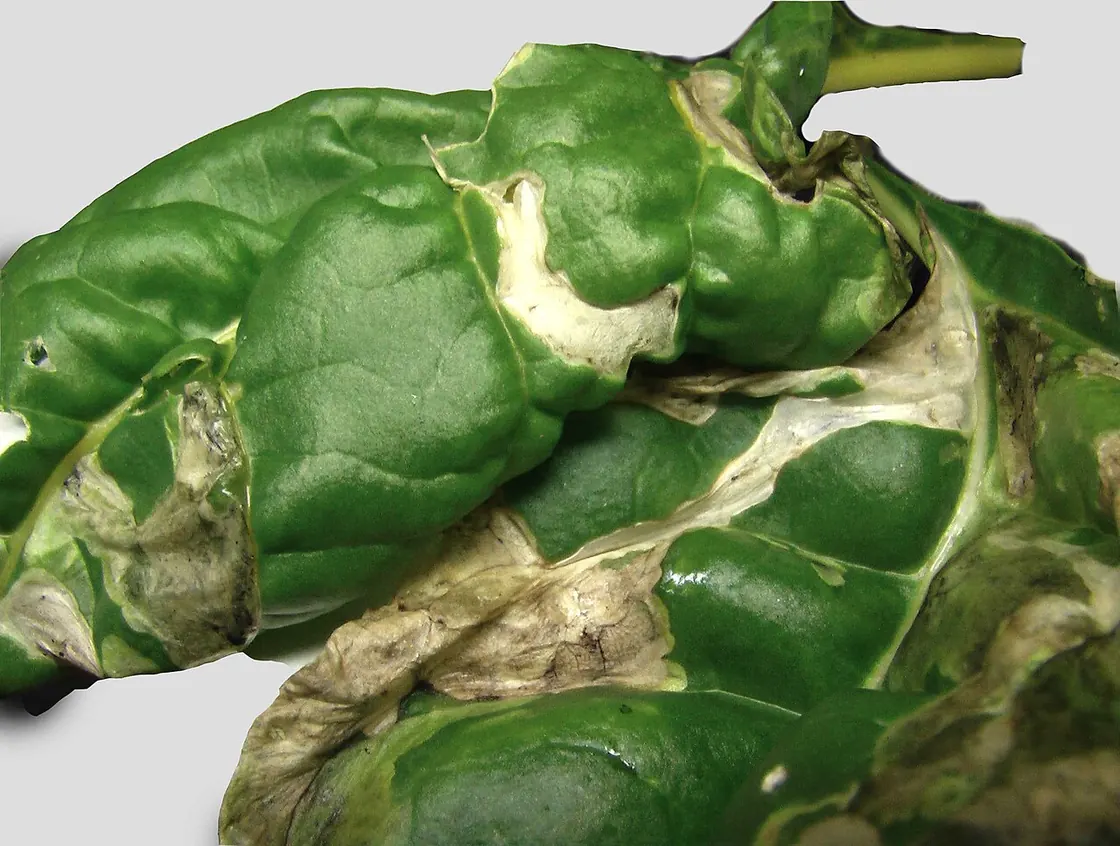
Pale trails inside leaves
Leaf-miner larvae feed between the surfaces of a leaf.
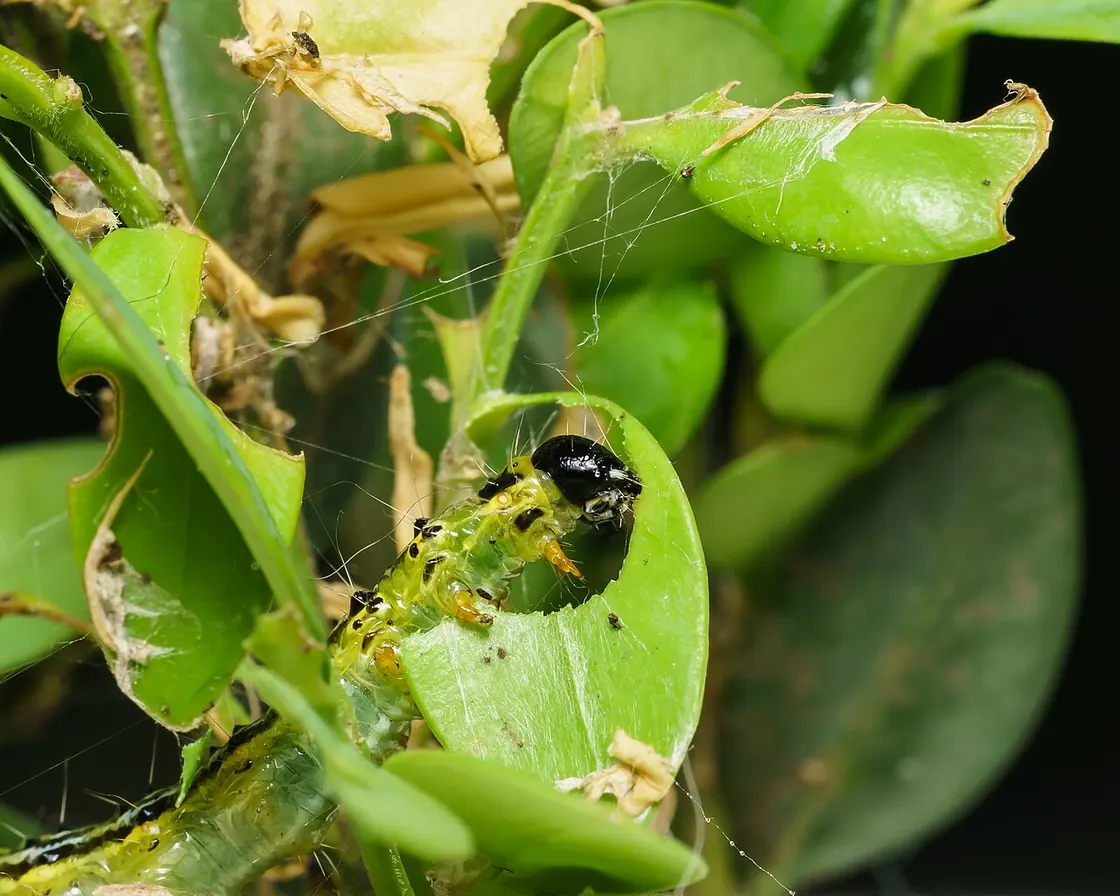
Chewed leaves and caterpillars
Holes can have several causes; look for the visitor.
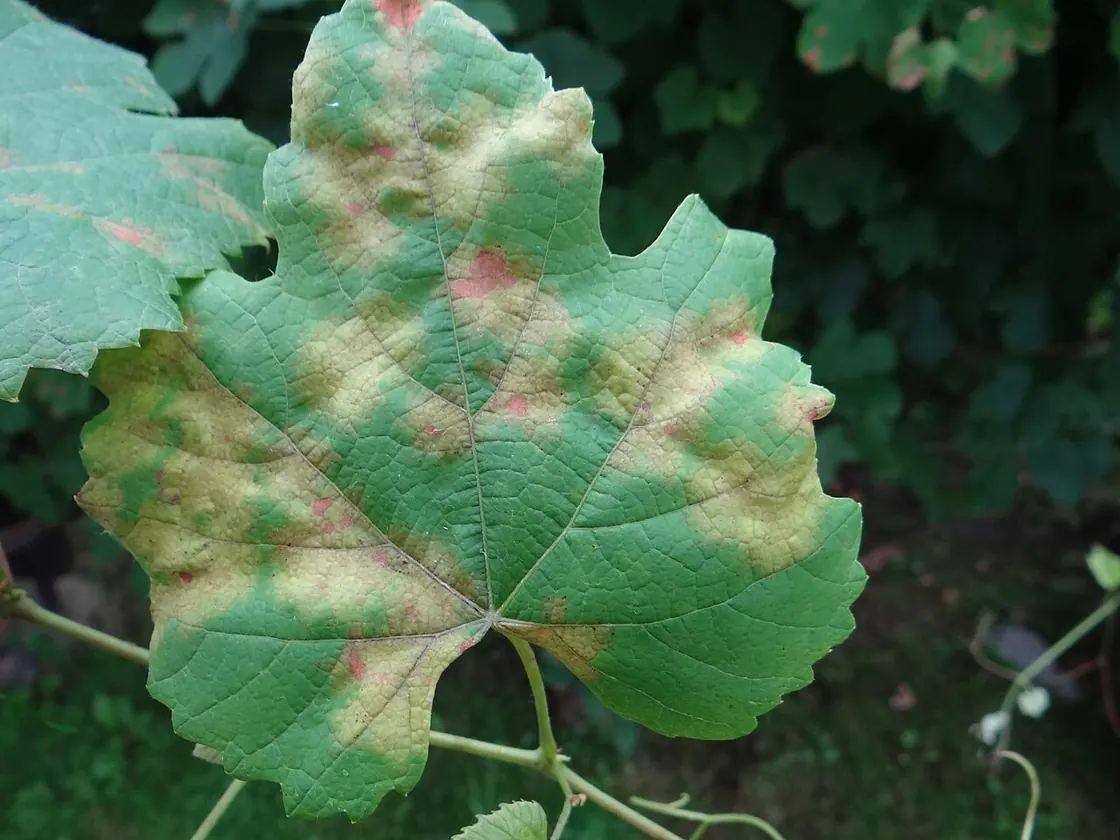
Downy mildew
Yellow patches with growth underneath deserve a closer look.
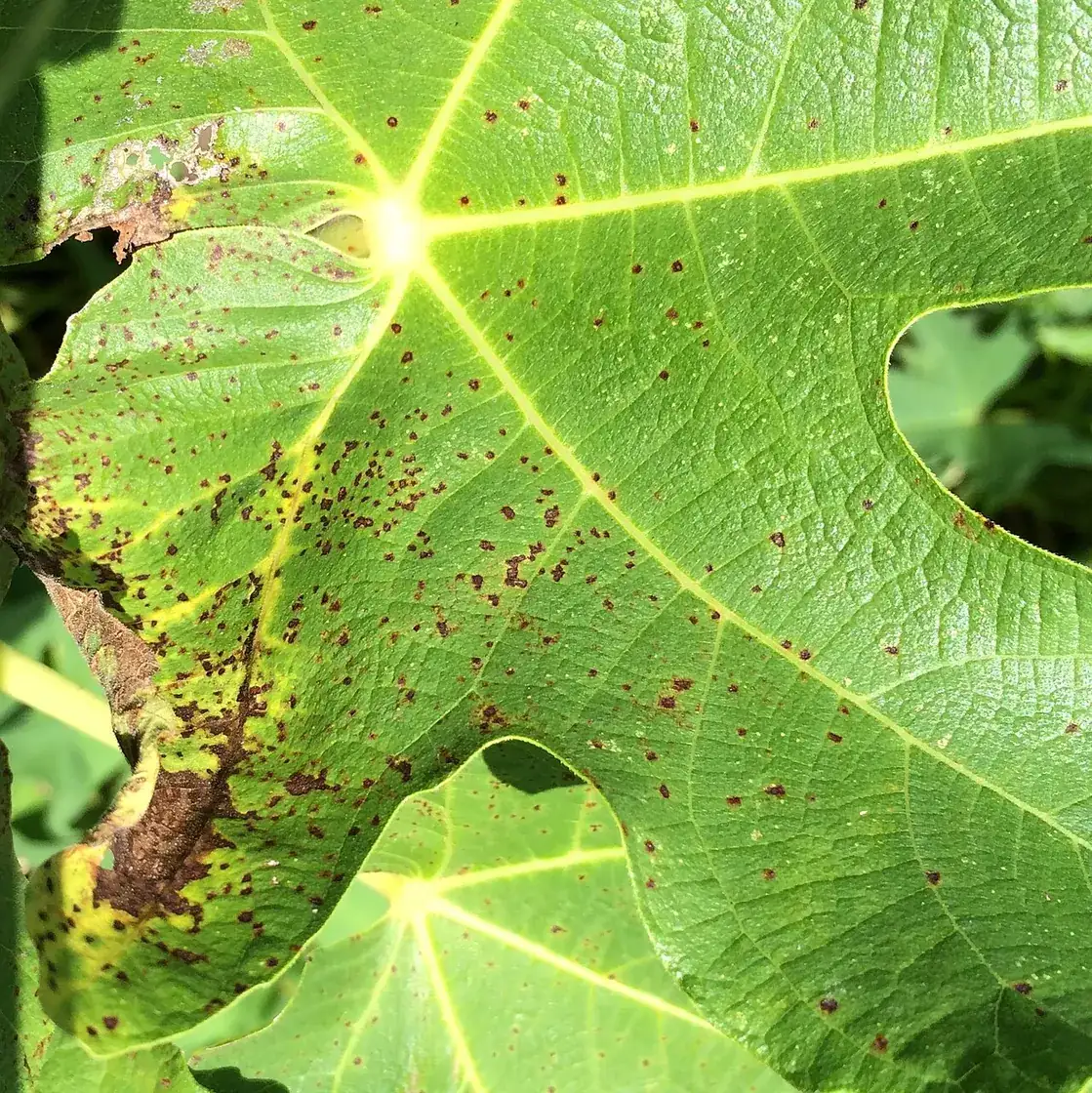
Rust-colored spots
Rust diseases can produce small powdery pustules.
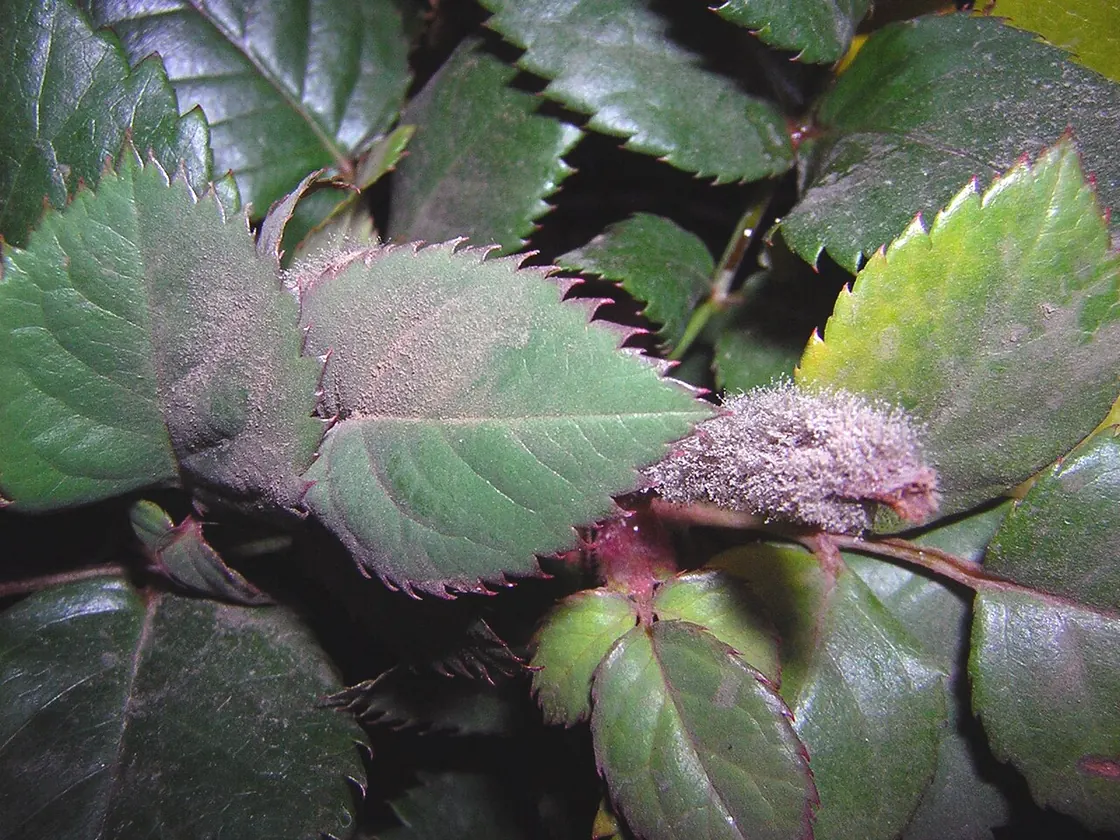
Gray mold on flowers or leaves
Soft brown tissue and gray fuzz can occur with Botrytis.
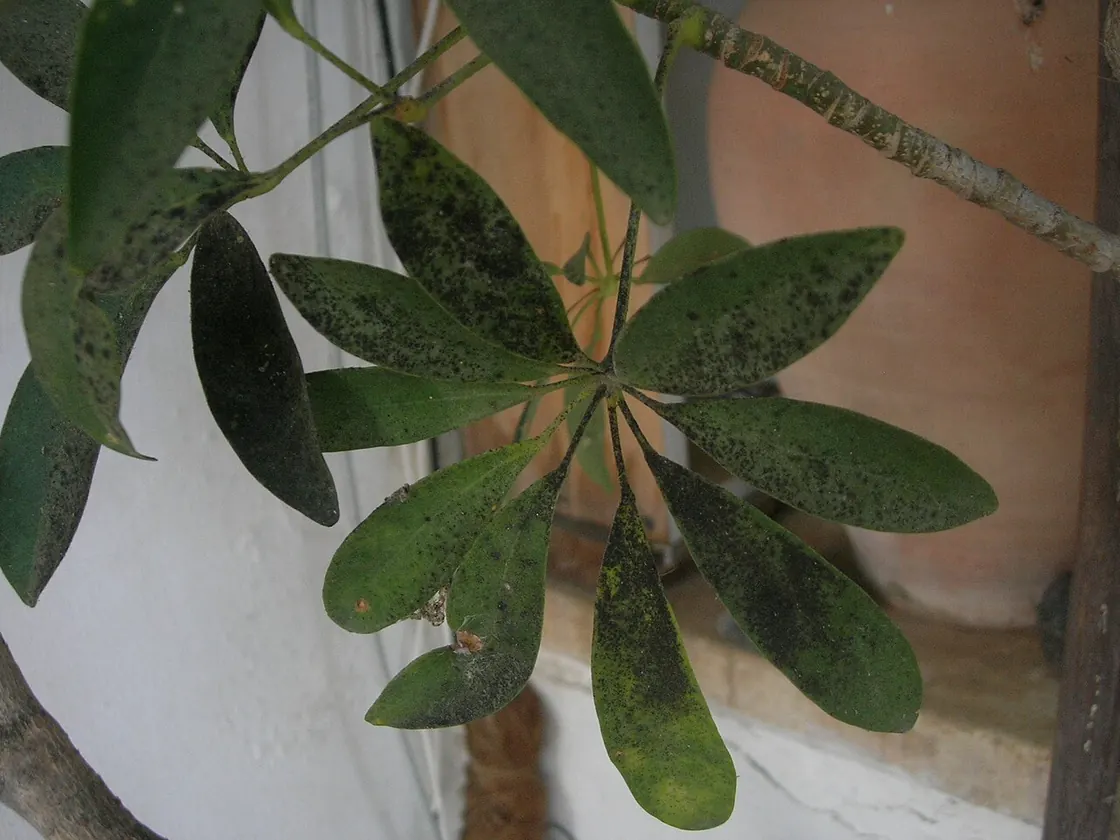
Black sooty coating
A dark surface coating may grow on sticky honeydew.
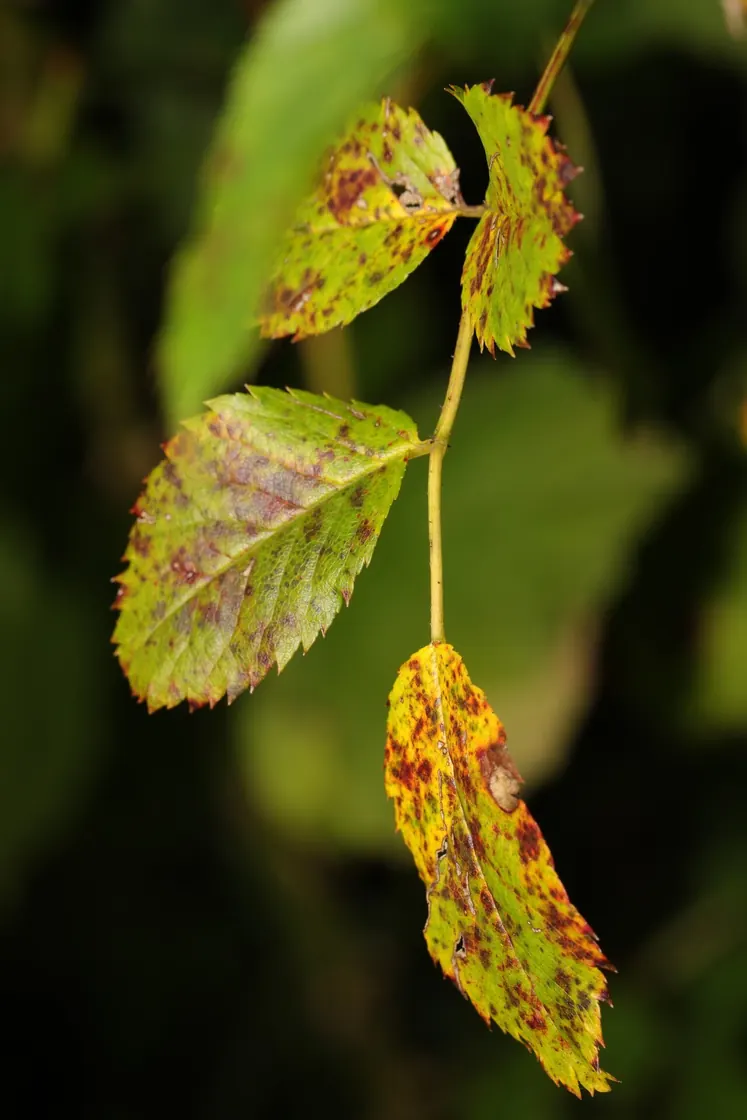
Black spots on rose leaves
Rose black spot can cause dark marks and yellowing.
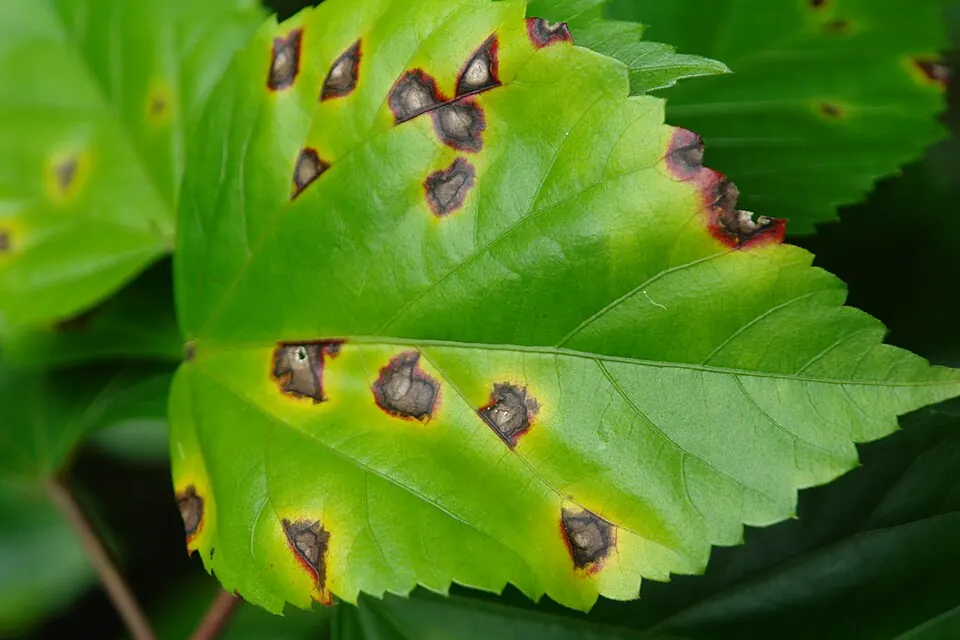
Water-soaked leaf spots
Some bacterial leaf spots look wet or translucent at first.
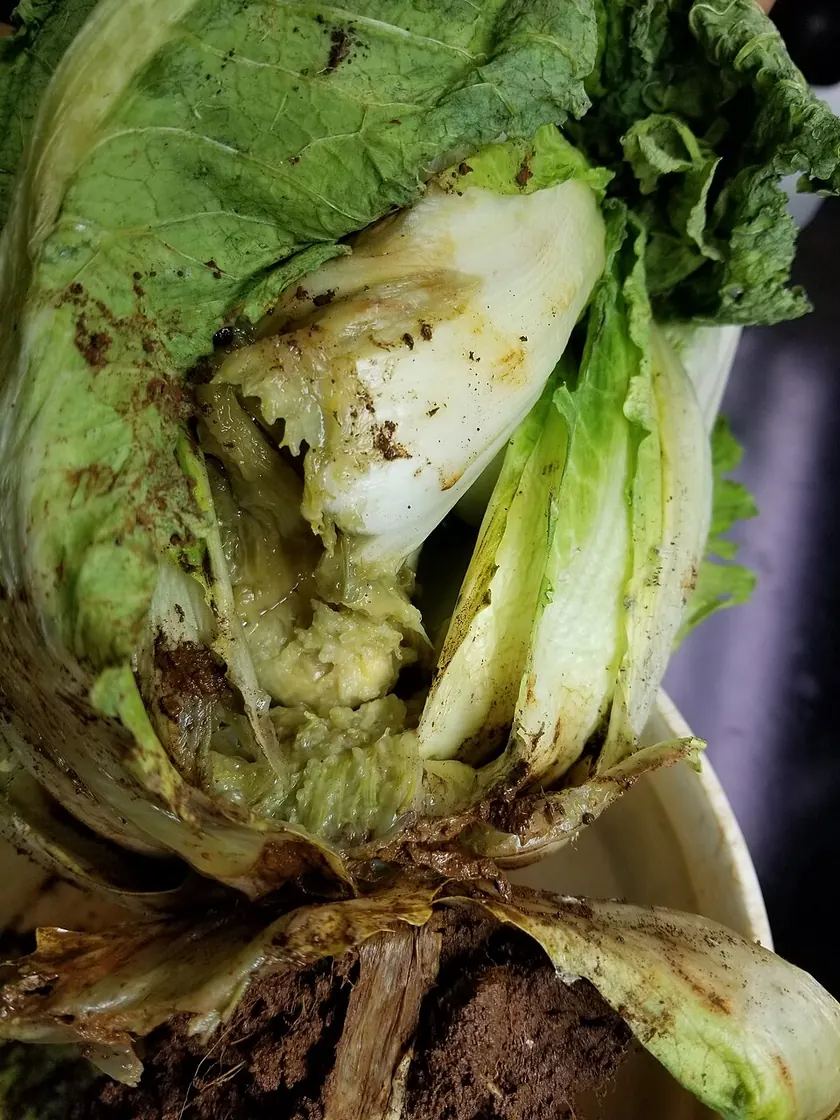
Soft or mushy stems
Soft tissue can indicate rot, but the cause needs investigation.
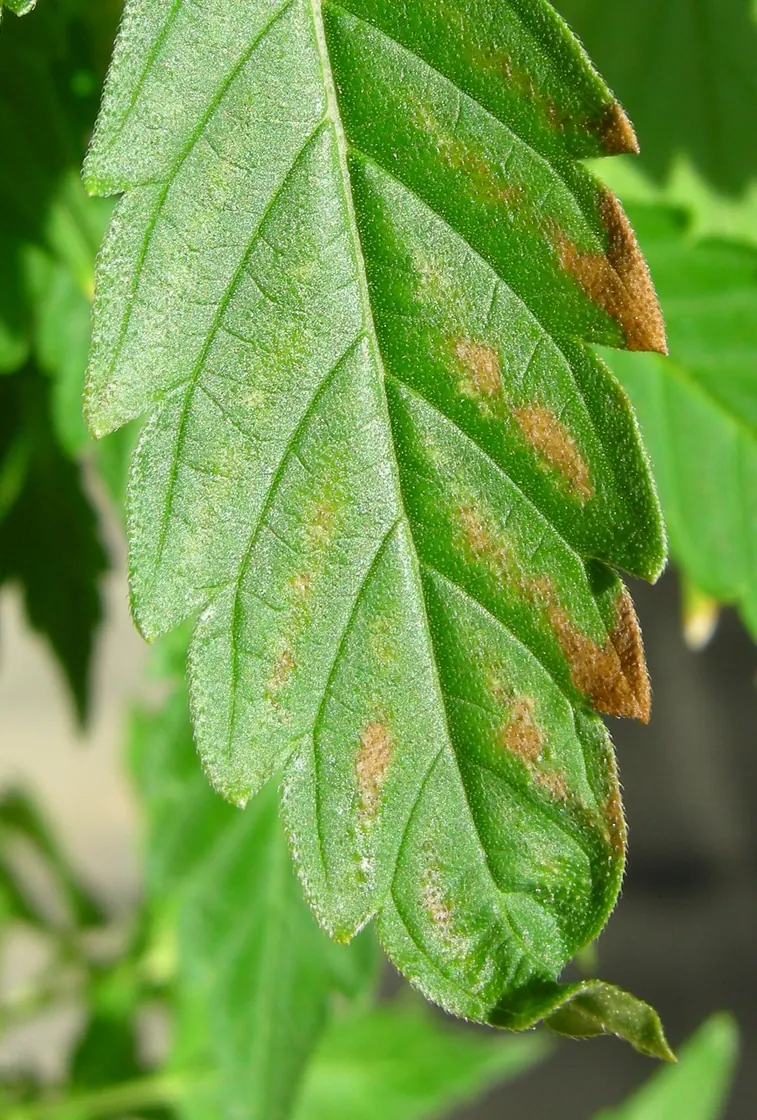
Too much fertilizer
Excess salts can injure roots and leaf edges.
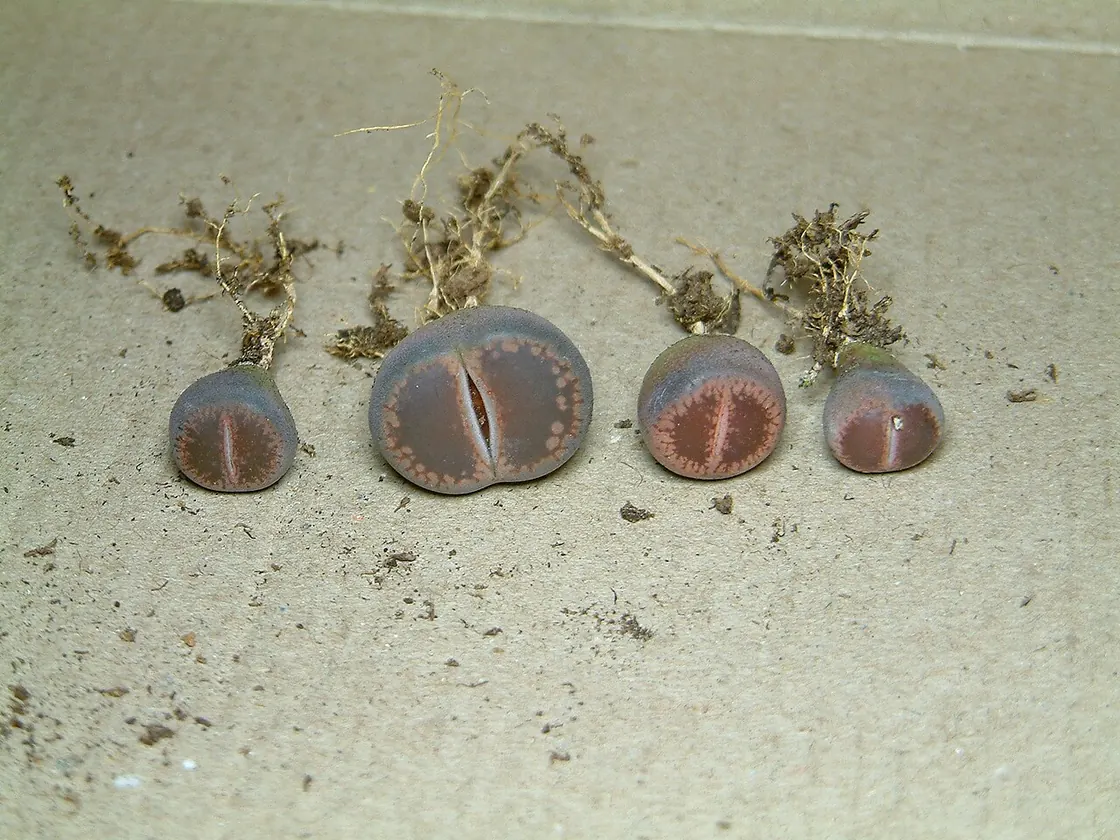
When the pot stays wet
Persistently wet mix can limit oxygen around roots.
Pruning guides
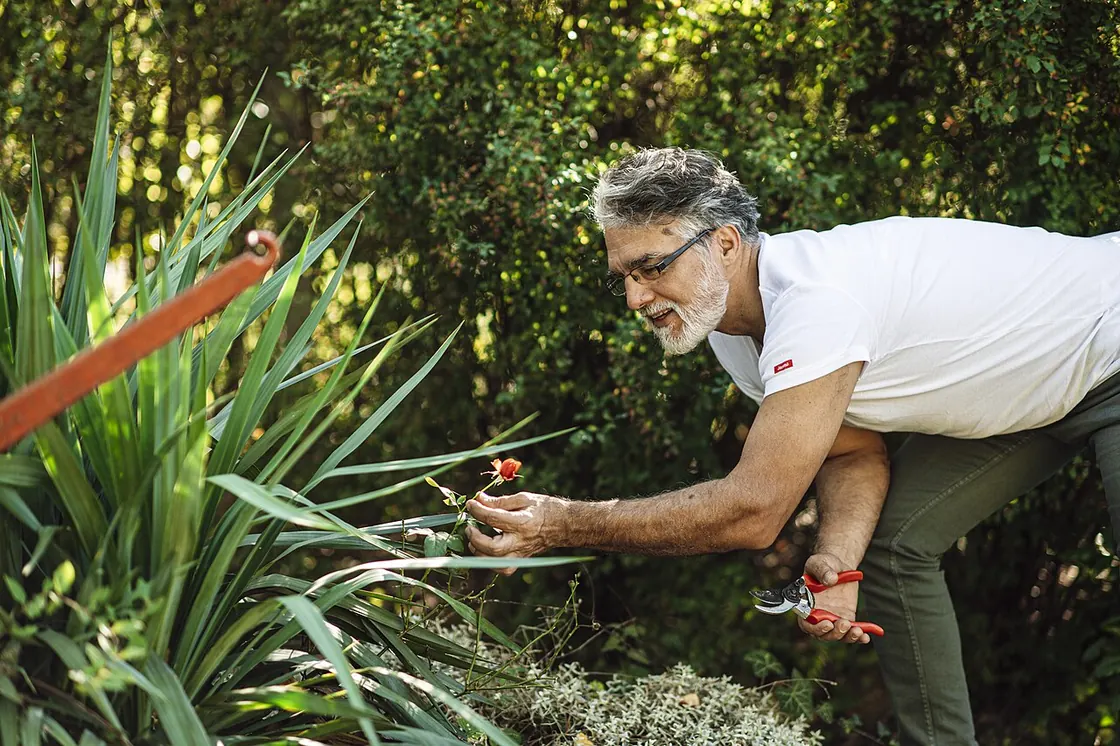
Before you prune
A good first cut starts with knowing what you want to keep.
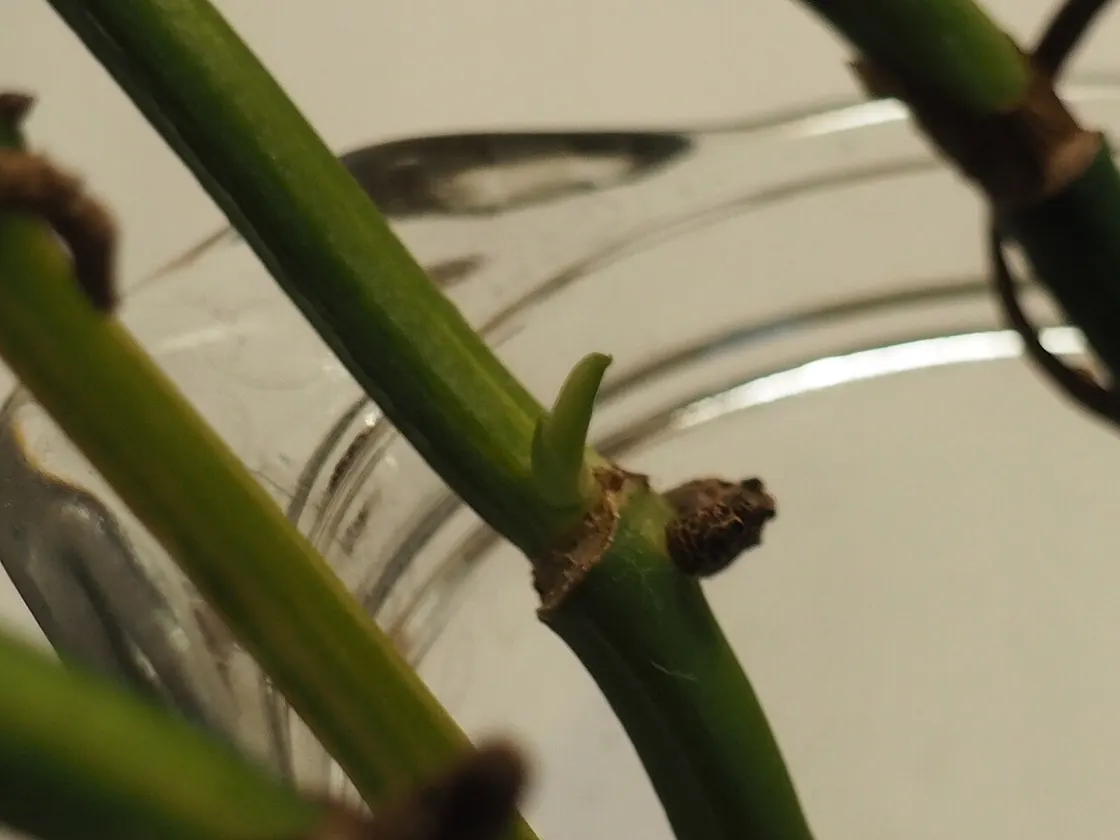
Find the node before cutting
A node is where a leaf, bud or branch joins a stem.
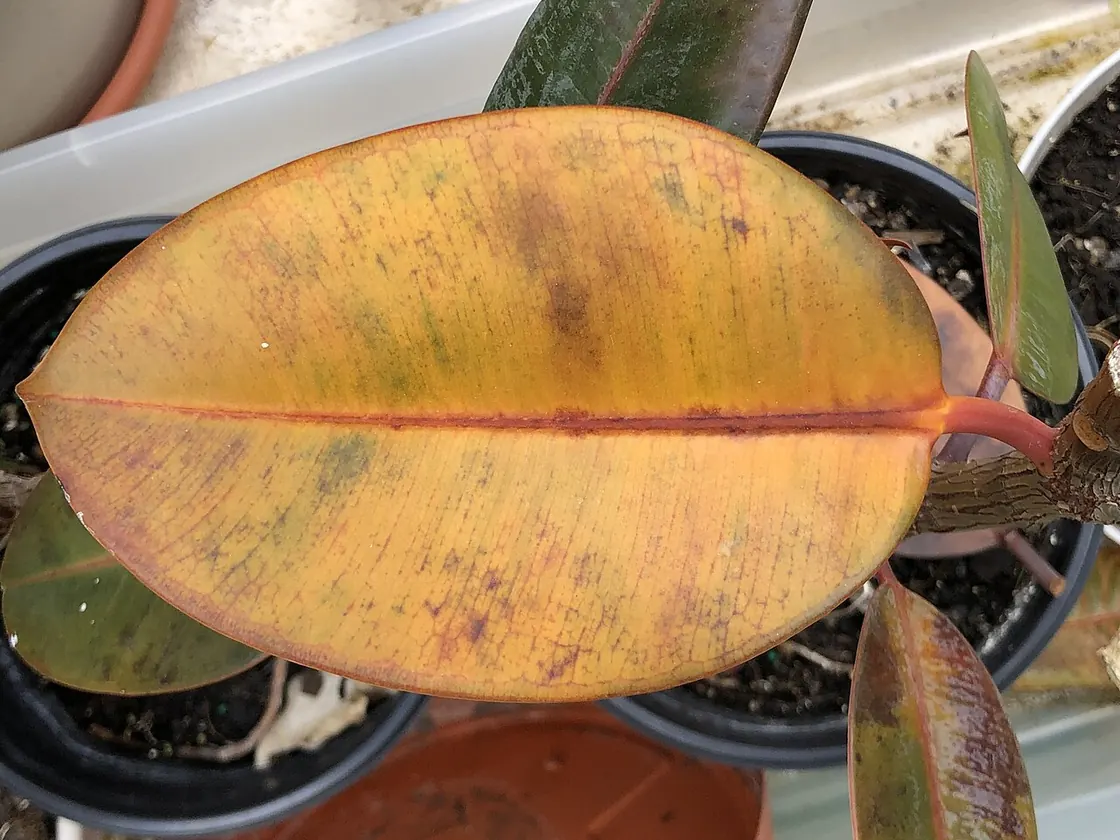
Removing a yellow leaf
One old yellow leaf is different from widespread yellowing.
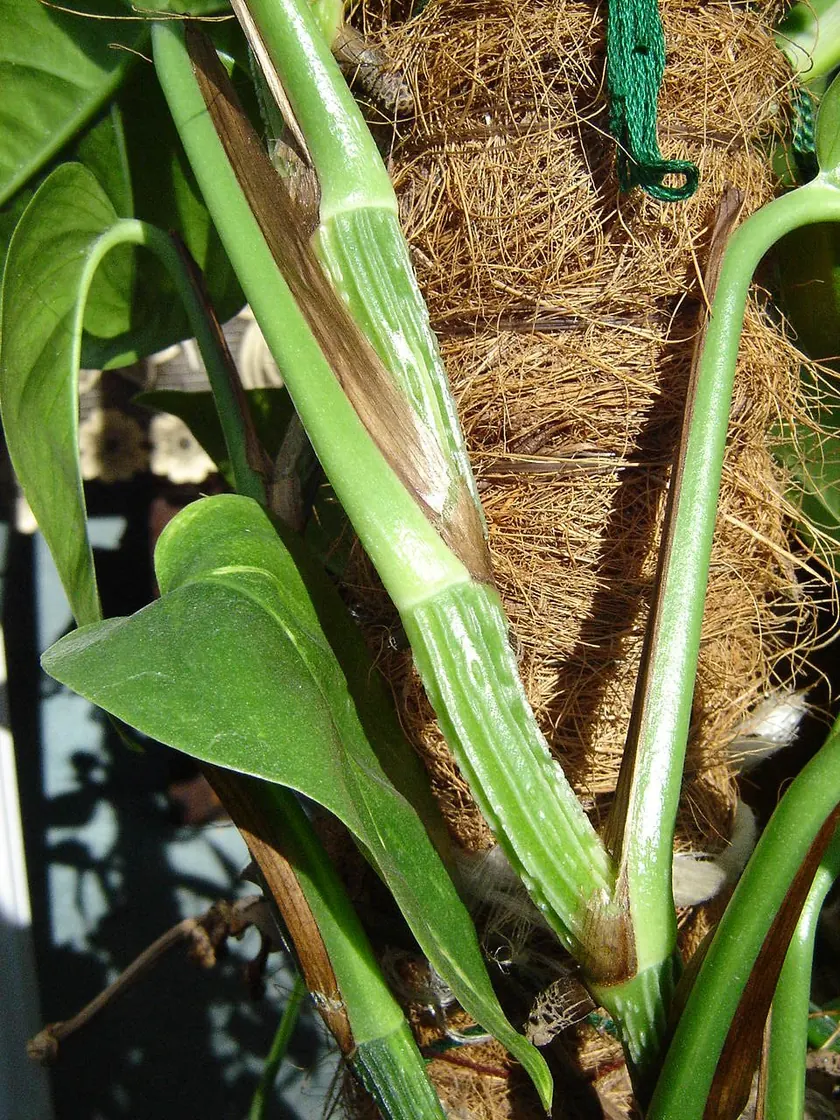
Shortening a trailing vine
Trace one vine from its tip before choosing a cut.
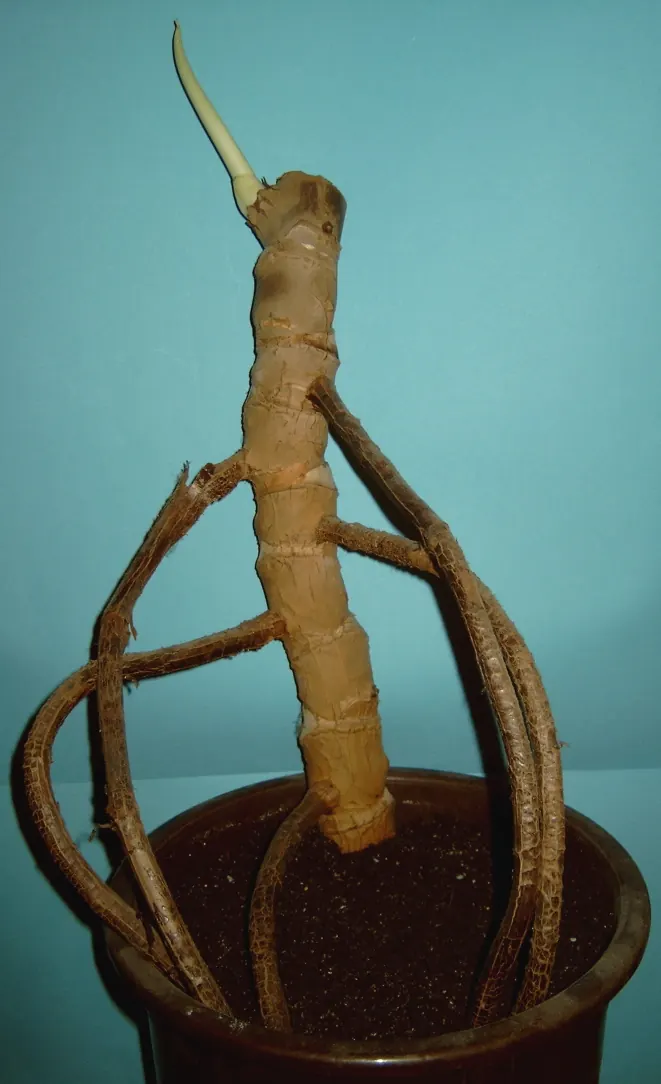
Pruning a Monstera leaf
A leaf stalk and the main vine are different parts.
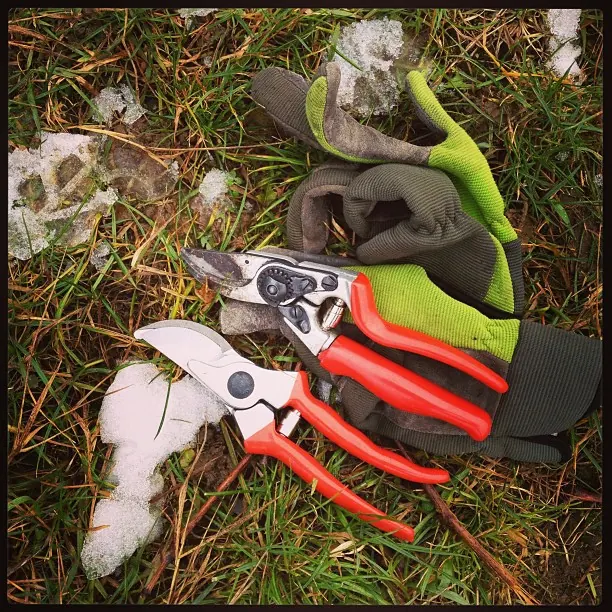
Clean tools between plants
Clean tools help avoid carrying problems to another plant.
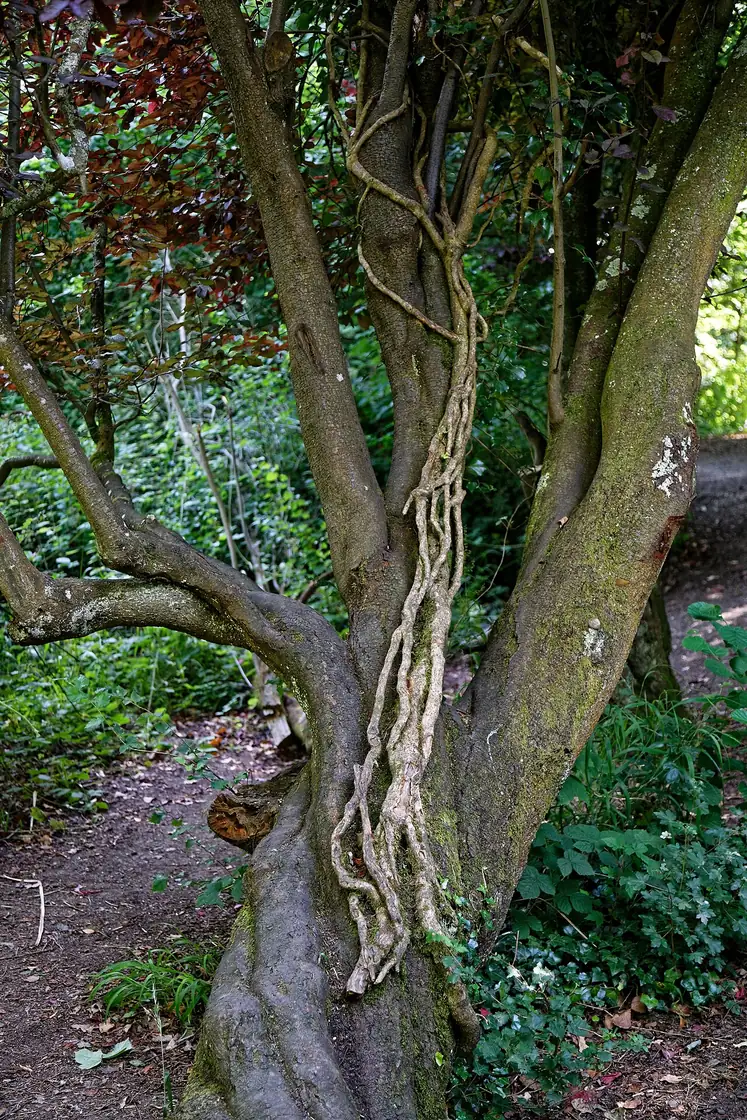
Removing a dead stem
Confirm the target and its connection before removing it.
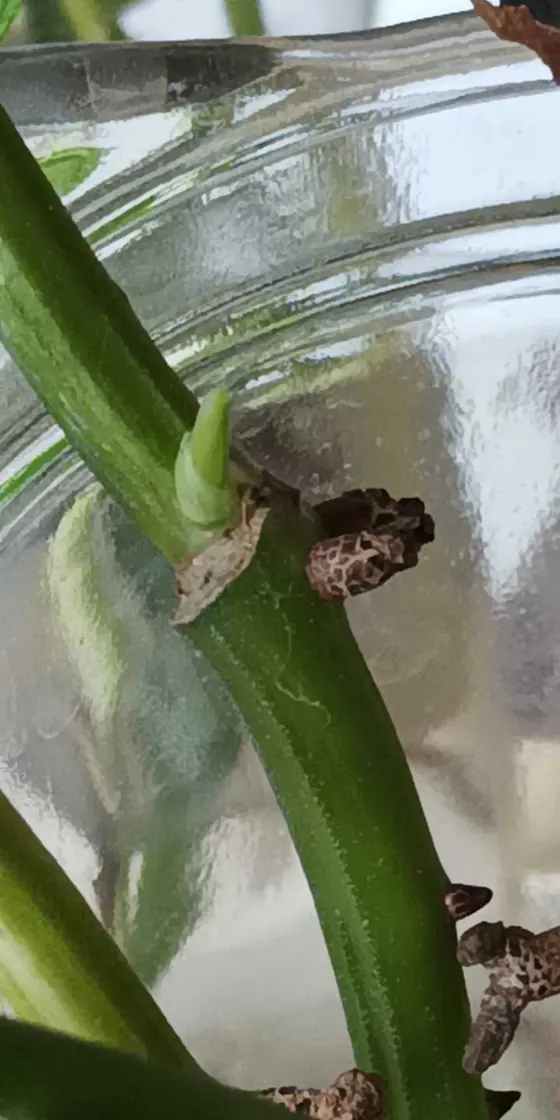
Pinching soft growing tips
A small pinch can encourage some plants to branch.
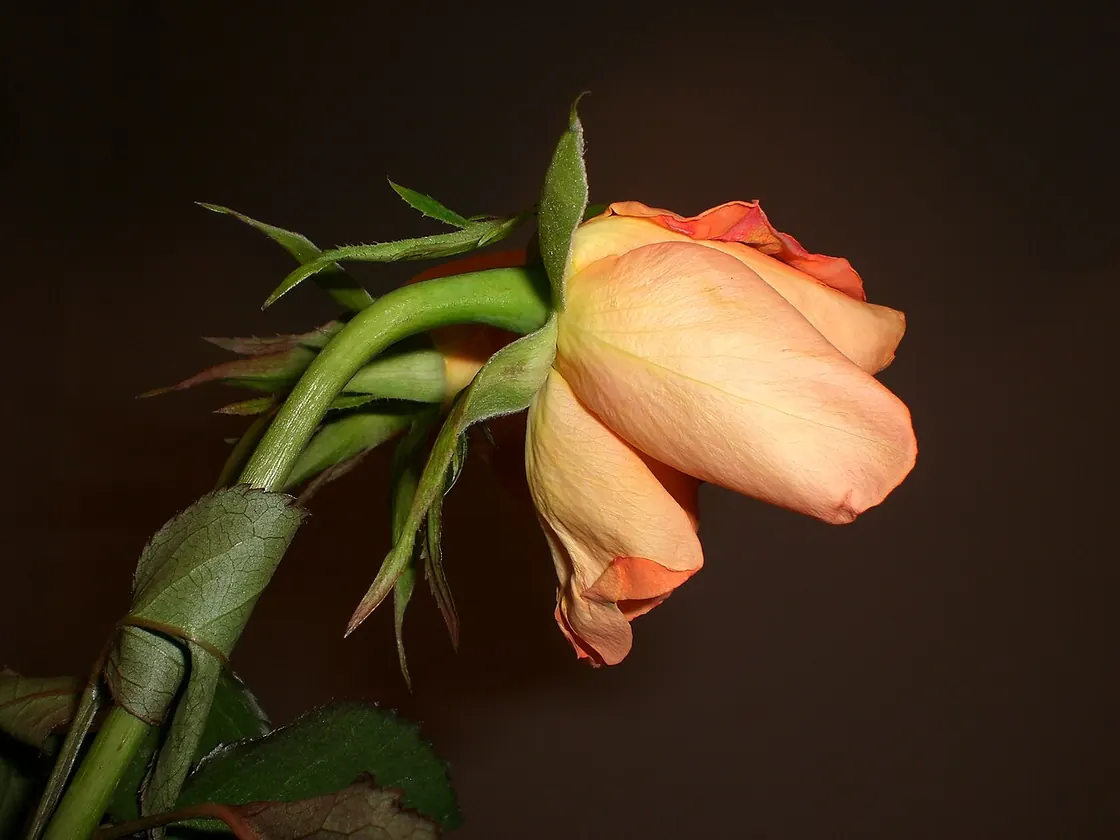
Removing spent flowers
A faded flower can be removed without cutting healthy buds.
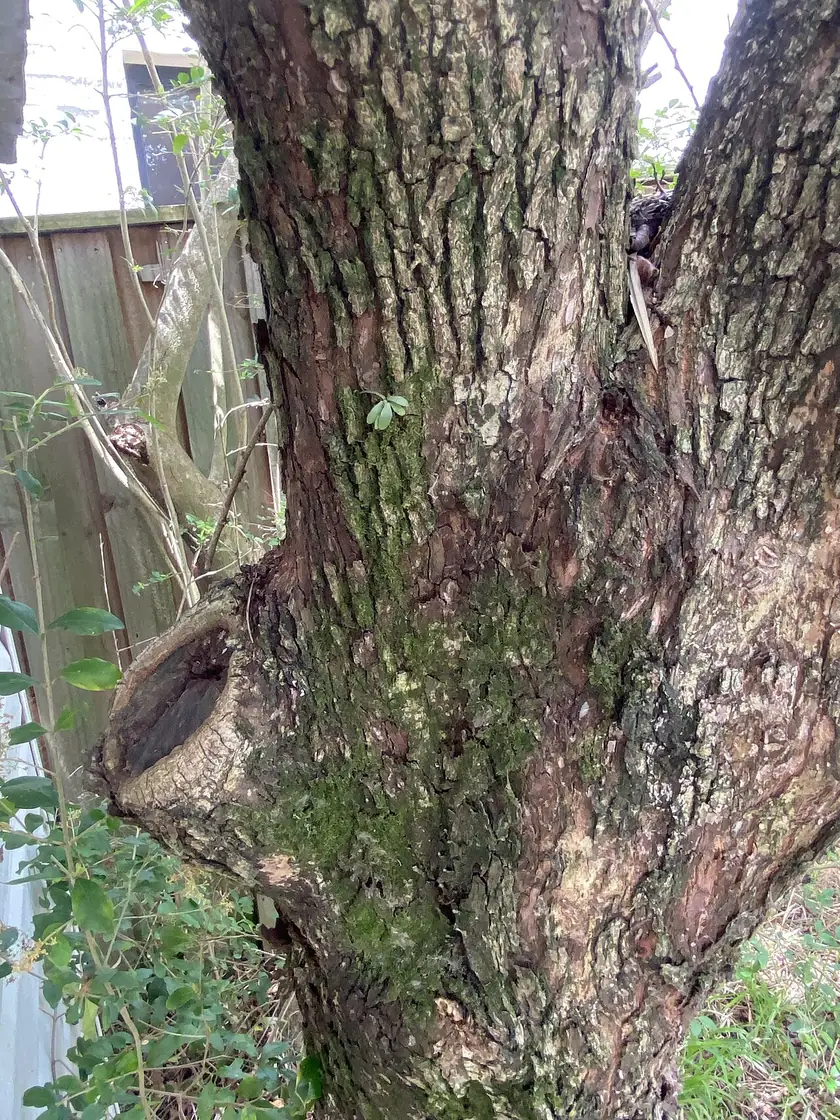
Where a woody branch joins
Protect the branch collar when removing a woody branch.
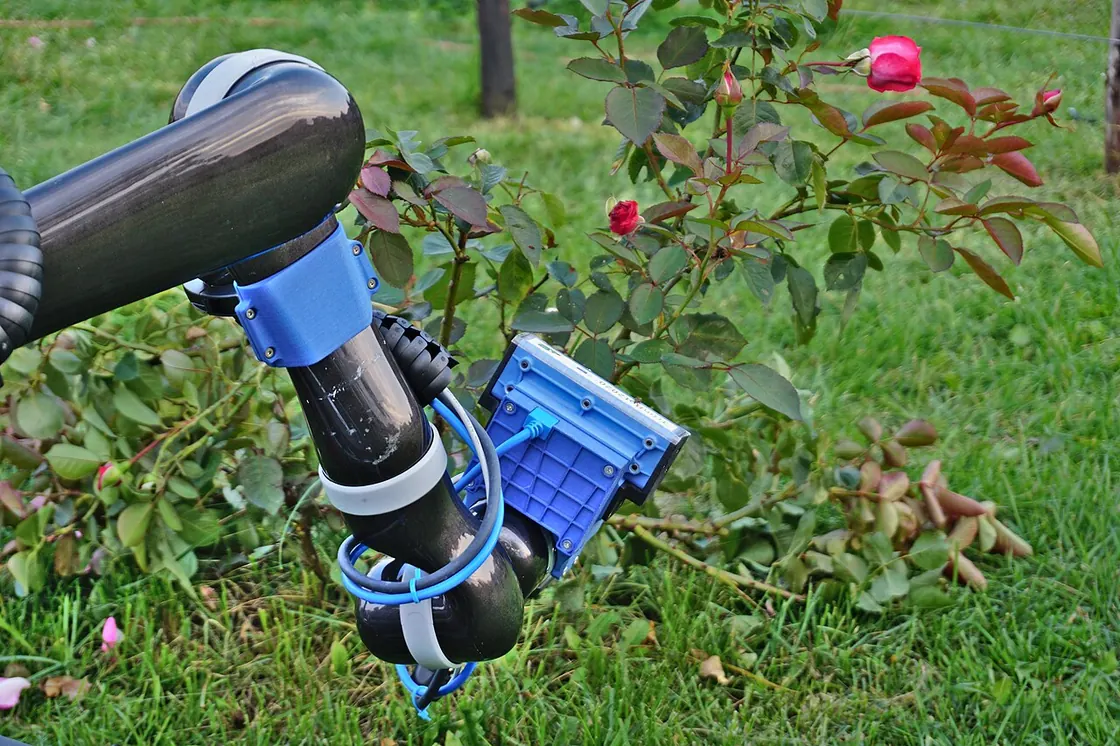
A careful start with roses
The best timing depends on the type of rose and your climate.
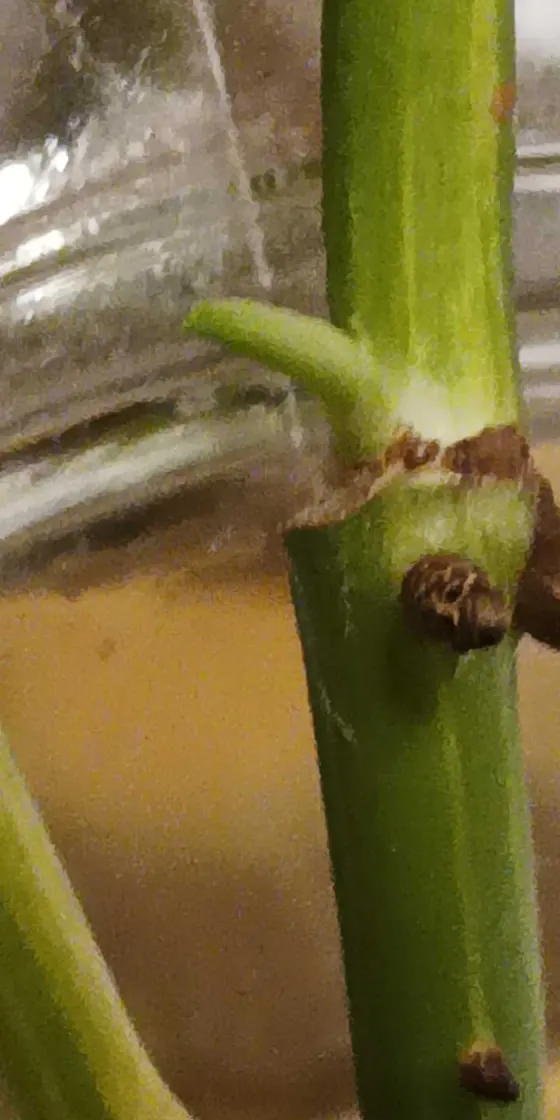
After a small prune
Give the plant time to respond before making more cuts.